SEO vs. SEM: What’s the Difference, and Which Strategy Should You Use?

SEO vs SEM is a common comparison for businesses trying to increase their visibility in search engines. Both can help you reach potential customers, but they use different methods to bring people to your website. SEO focuses on earning visibility through organic search results, while SEM is commonly used to describe paid search marketing.
The difference between SEO and SEM goes beyond organic traffic versus paid advertising. Each approach has different requirements for implementation, costs, timelines, targeting options, and ways to measure performance. SEO may focus on improving website content, technical health, and organic visibility, while paid search campaigns can help businesses reach relevant searches through advertising platforms.
The right approach depends on what your business needs. A new business may need faster visibility through paid search, while an established website may focus more on building organic search visibility. Some businesses may benefit from using SEO and SEM together, with each channel serving a different role in the search marketing strategy.
In this guide, we will compare SEO vs SEM in detail, explain how each approach works, examine their costs and timelines, and show when to use SEO, SEM, or both. You will also learn how to build an SEO and SEM strategy based on your business goals, search intent, budget, and available resources.
Key Takeaways
- A clear explanation of how SEO and SEM differ, including their purpose, cost structure, timelines, and search visibility.
- A practical understanding of when organic search, paid search, or a combination of both fits different business situations.
- A breakdown of the main strengths and limitations that affect SEO and SEM performance.
- A framework for connecting keyword research, search intent, landing pages, and conversion tracking with search marketing goals.
- A practical approach to building, measuring, and improving an SEO and SEM strategy using performance data and business outcomes.
What Is the Difference Between SEO and SEM?
The main difference between SEO and SEM is how a website gains visibility in search results. SEO focuses on improving a website so its pages can earn organic search visibility, while SEM is commonly used to describe paid search marketing through advertising platforms.
SEO does not involve paying a search engine for each organic click. Instead, businesses invest in areas such as useful content, technical improvements, page optimization, internal linking, and website structure. The goal is to make pages more useful for searchers and easier for search engines to understand.
SEM, when used to mean paid search, involves creating advertising campaigns that can appear for relevant searches. Advertisers can manage elements such as keywords, bids, budgets, ad copy, targeting, landing pages, and conversion tracking.
The two approaches also differ in how results are managed. SEO usually requires continuous website and content improvements, while paid search requires ongoing campaign management and budget allocation.
| Factor | SEO | SEM |
| Search visibility | Organic | Paid |
| Main approach | Optimize website and content | Run paid search campaigns |
| Traffic cost | No direct payment for each organic click | Advertising spend is required |
| Main activities | Technical SEO, content, on-page SEO, internal links | Keywords, ads, bids, budgets, targeting |
| Results | Usually develop over time | Paid visibility can begin when eligible campaigns serve |
| Main measurement | Organic visibility, clicks, rankings, conversions | Clicks, CPC, conversions, conversion costs |
Understanding this distinction is important before deciding where to invest your search marketing resources.
What Is SEO?
SEO, or search engine optimization, is the process of improving a website and its content to increase its visibility in organic search results. It covers more than adding keywords to a page. A complete SEO process considers technical accessibility, content quality, search intent, page structure, internal links, and the overall organization of a website.
A typical SEO workflow includes:
- Keyword research: Use the best keyword research tool to find relevant searches and understand what users want from them.
- Search intent analysis: Determining whether a search is informational, commercial, transactional, navigational, or another intent.
- On-page optimization: Improving titles, headings, content, URLs, images, links, and other page elements.
- Technical SEO: Reviewing crawlability, indexing, redirects, canonicals, structured data, and other technical signals.
- Internal linking: Connecting related pages so users and search engines can discover important content.
- Content optimization: Improving existing content or creating useful resources that address specific search needs.
- Performance analysis: Reviewing organic impressions, clicks, rankings, conversions, and page-level results.
For example, if a company sells SEO software, it may create an educational guide explaining how to perform an SEO audit. That guide can then link naturally to relevant tools and service pages. The objective is not just to rank for one keyword but to create useful coverage around a topic.
Before making changes to an important page, you can use a web page SEO analysis to review elements such as content, headings, links, and other page-level factors.
SEO also works at the website level. A complete SEO audit guide can help when you need to evaluate technical issues, content, internal linking, indexing, and other areas across a larger website.
One important point is that SEO does not guarantee a specific ranking position. Search results can change based on competition, search context, content, technical factors, and other signals.
What Is SEM?
SEM, or search engine marketing, is commonly used to describe paid search marketing. In this context, businesses use advertising platforms to show ads to people searching for relevant products, services, or information.
A paid search campaign can involve:
- Keyword targeting
- Campaign and ad-group organization
- Ad copy
- Bidding
- Budget management
- Location and audience targeting
- Landing pages
- Conversion tracking
- Search-term analysis
- Campaign testing
When a search creates an eligible advertising opportunity, ads can enter an auction. Google considers several factors when determining whether and where an ad can appear, including the bid, ad quality, landing-page experience, competition, search context, and Ad Rank thresholds.
This means paid search is not simply a system where the advertiser with the highest bid automatically receives the top position.
The quality and relevance of the experience also matter. For example, an ad promising a specific service should lead to a page that clearly provides information about that service. A mismatch between the ad and landing page can make the campaign less useful to the searcher.
SEM can be useful when a business needs to:
- Promote a new product or service
- Capture high-intent commercial searches
- Generate leads
- Drive ecommerce sales
- Test an offer
- Promote a time-sensitive campaign
- Reach a specific location or audience
Paid search also requires continuous analysis. A campaign that generates many clicks may still perform poorly if those visitors do not become customers.
This is why paid search engine marketing should be measured against meaningful business outcomes rather than traffic alone.
For example, an advertiser may track:
Ad impressions → Clicks → Landing-page visits → Leads or sales → Revenue
The exact metrics depend on the campaign goal.
Why Are SEO and SEM Often Confused?
SEO and SEM are often confused because the terminology around search engine marketing is not used consistently.
Some marketers use SEM as a broad term for marketing through search engines. Under that definition, SEO can be considered part of search engine marketing.
Others use SEM specifically for paid search advertising. Under this definition, SEO and SEM are separate but related channels.
For this article, we use the following distinction:
SEO = organic search engine optimization
SEM = paid search marketing
This makes the comparison easier because each channel has a different operating model.
The confusion can also come from the fact that both channels target search behavior. A person searching for “website SEO analyzer” might see both organic pages and paid advertisements on the same search results page. The user's goal is similar, but the way a business earns that visibility is different.
The distinction becomes clearer when you look at the work behind each channel.
SEO teams may research keywords, optimize pages, improve technical SEO, build internal links, develop content, and analyze organic performance.
SEM teams may build campaigns, select keywords, write ads, manage bids and budgets, analyze search terms, and optimize conversion performance.
Businesses can also use both channels as part of their SEO and SEM marketing strategy. For example, paid search can help capture commercial demand while SEO builds organic visibility around related informational and commercial topics.
The key is to give each channel a clear role instead of treating SEM vs SEO as a choice where one must completely replace the other.
If you are planning both channels, start by mapping search intent and existing pages. This can help prevent multiple pages from targeting the same intent and reduce the risk of keyword cannibalization.
The result should be a coordinated search strategy in which SEO and paid search support different stages of the customer's journey rather than duplicating the same work.
How Do SEO and SEM Work?
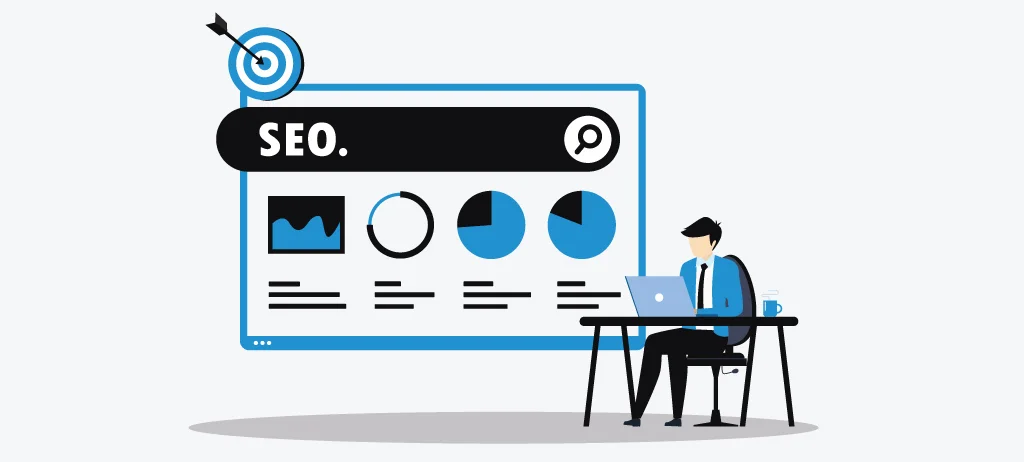
SEO and SEM both target people who use search engines, but the way each channel creates visibility is different. SEO works by improving website pages so they can earn relevant organic visibility, while SEM commonly uses paid advertising campaigns to reach eligible search opportunities.
The workflows also differ. SEO involves researching search demand, improving pages, fixing technical issues, building useful site relationships, and monitoring organic performance. SEM involves campaign setup, keyword targeting, ad creation, bidding, budget management, landing pages, and conversion tracking.
A practical SEO and SEM strategy should therefore treat them as connected but separate processes. SEO focuses on improving the website's ability to earn organic visibility, while paid search focuses on managing advertising opportunities and measuring the value generated from them.
How Does SEO Work?
SEO starts with understanding what people search for and what they expect to find. A page has a better chance of performing well when its content, structure, and purpose match the needs behind the search.
A typical SEO process includes the following steps.
1. Research Relevant Search Queries
Start by identifying the words and phrases that potential customers use when searching for information, products, or services.
Good keyword research considers more than search volume. It should also evaluate:
- Search intent
- Relevance to the business
- Competition
- Existing search results
- Business value
- The type of content users expect
For example, someone searching for “what is technical SEO” has a different need from someone searching for “technical SEO services.” The first may need an educational guide, while the second may be evaluating a service.
This is why keyword research in SEO should be connected to page intent rather than treated as a list of keywords.
2. Match Keywords With the Right Pages
Once relevant searches are identified, map them to existing or planned URLs.
One page may target a primary topic while naturally covering closely related queries. Creating a separate page for every keyword variation can create overlapping content and make the website harder to manage.
Before creating a new URL, review existing pages to determine whether one already satisfies the same search intent.
This process can also help identify keyword cannibalization, where multiple pages compete for similar searches.
3. Optimize the Page
On-page optimization helps search engines and users understand what a page is about.
Depending on the page, this can include:
- Title tags
- Main headings
- Subheadings
- Body content
- URLs
- Internal links
- Images and image descriptions
- Structured data where appropriate
- Relevant supporting information
The goal is not to repeat the target keyword throughout the page. Instead, the page should clearly explain the topic and naturally cover related questions.
For a detailed page-level review, Wranker's web page SEO analysis resource can help organize checks around important on-page elements.
4. Improve Technical Accessibility
Search engines need to be able to access and understand important pages.
Technical SEO can involve:
- Crawlability
- Indexability
- Canonical URLs
- Redirects
- XML sitemaps
- Robots directives
- Site architecture
- Internal links
- Page performance
- Structured data
A technical issue can affect more than one URL. For example, an incorrect directive or poor site structure can make important pages harder to discover or process.
For broader technical work, a Technical SEO Analysis can help organize these areas into a wider website review.
5. Connect Related Pages
Internal links help users move between related resources and help search engines discover relationships between pages.
For example, a guide about technical SEO could link to:
- A technical SEO checklist
- A website analyzer
- A guide to crawlability
- A canonical tag resource
- A related service page
The links should be useful in context. Adding a large number of unrelated internal links does not automatically improve SEO.
Internal linking also helps build a logical website structure where important pages can be reached from relevant supporting content.
6. Monitor Organic Performance
SEO does not end when a page is published.
Monitor changes in:
- Search impressions
- Organic clicks
- Search queries
- Rankings
- Organic conversions
- Indexed pages
- Page-level performance
- Technical issues
A free website SEO analyzer can be useful for checking individual pages and identifying areas that need further review.
For larger websites, combine page-level checks with a wider SEO analysis checklist so important technical, content, and structural areas are not missed.
The main idea is simple:
Research → Map → Optimize → Improve → Monitor → Update
SEO works as an ongoing process because search results, competitors, content, and user needs can change.
How Does SEM Work?
When SEM is used to mean paid search marketing, the process starts with a business goal and ends with measuring whether the advertising produced useful results.
A basic paid search workflow looks like this:
Goal → Campaign setup → Targeting → Ad auction → Click → Landing page → Conversion → Analysis
Each stage affects the final outcome.
1. Define the Campaign Goal
Start by deciding what the campaign needs to achieve.
Common goals include:
- Online purchases
- Qualified leads
- Phone calls
- Form submissions
- Bookings
- Sign-ups
- Product sales
- Website traffic
The goal affects campaign structure, conversion tracking, bidding, and how performance should be evaluated.
A campaign designed to generate leads should not be judged only by how many clicks it receives. The quality and value of those leads matter too.
2. Select Relevant Search Terms
Paid search campaigns can target searches related to the products or services being promoted.
Keyword selection should consider:
- Search intent
- Commercial relevance
- Competition
- Expected customer value
- Match between the search and landing page
Search terms also need to be reviewed after campaigns begin. Actual searches can reveal irrelevant queries that should be excluded or new opportunities that deserve attention.
This makes keyword research an ongoing process rather than a one-time campaign setup task.
3. Create Relevant Ads
The ad should clearly communicate what the user will find after clicking.
For example, if an ad promotes a specific SEO service, the message should make the service and its value clear rather than sending users to a generic page with little connection to the search.
Google considers factors such as ad relevance and landing-page experience as part of ad quality. This means writing an ad is not simply about inserting the target keyword. The complete user journey matters.
4. Manage Bids and Budgets
Paid search requires decisions about how much budget should be allocated and how campaigns should compete for available opportunities.
Google Ads provides different bidding strategies based on campaign objectives. Depending on the setup, advertisers can optimize toward goals such as clicks, impressions, conversions, or conversion value.
Budget management should therefore be connected to business performance.
For example:
$1,000 spent + 500 clicks
does not tell you whether a campaign was successful.
You also need to know:
- How many conversions occurred?
- How many were qualified?
- What did those conversions cost?
- What business value did they generate?
5. Understand the Ad Auction
When a search creates an eligible advertising opportunity, Google Ads runs an auction to determine which ads can show and their positions.
The outcome is influenced by factors such as:
- Bid
- Ad quality
- Landing-page experience
- Ad Rank thresholds
- Competition
- Search context
This is why paid search is not simply a system where the highest bidder always wins the top position.
The relevance and quality of the advertising experience also matter.
6. Analyze Search Terms and Campaign Performance
After campaigns start running, review what is actually happening.
Important areas can include:
- Impressions
- Clicks
- Click-through rate
- Cost per click
- Search terms
- Conversions
- Conversion rate
- Cost per conversion
- Conversion value
- Landing-page performance
This is where search engine marketing analysis becomes important.
For example, a campaign may generate a large number of clicks but few conversions. That could indicate problems with keyword targeting, search intent, the offer, landing-page experience, or conversion tracking.
The solution is not automatically to increase the budget.
Instead:
Measure → Identify the problem → Test a change → Review the result
That feedback loop is central to effective paid search management.
7. Optimize the Campaign
SEM requires ongoing adjustments based on actual campaign data.
Depending on the findings, changes may include:
- Removing irrelevant search terms
- Adjusting keyword targeting
- Testing new ad messaging
- Improving landing pages
- Adjusting budgets
- Changing bids or bidding strategies
- Refining locations
- Reviewing audience settings
- Improving conversion tracking
Paid search engine marketing isn't simply about generating more traffic. It is to attract relevant users and turn paid visibility into measurable business outcomes.
That distinction is important when building an SEO and SEM marketing plan because the two channels should support the same business goals without being treated as identical processes.
SEO vs SEM: Key Differences at a Glance

The SEO vs SEM comparison is easier to understand when you view the two channels through their goals, visibility model, investment, control, and measurement.
| Factor | SEO | SEM |
| Primary goal | Build organic search visibility | Generate visibility through paid search |
| Search placement | Organic results | Paid advertising placements |
| Traffic source | Organic search | Paid search |
| Main investment | Website, content, technical work, and ongoing optimization | Ad spend, campaign management, landing pages, and tracking |
| Keyword approach | Match content to relevant searches and intent | Target eligible searches through campaign settings |
| Budget dependency | Organic visibility does not require payment for each click | Paid visibility requires an active advertising budget |
| Control over visibility | Less direct control over when and where a page ranks | More direct control through campaign settings, subject to auction and eligibility |
| Time horizon | Generally focused on building organic visibility over time | Often used when paid visibility is needed for current demand |
| Testing | Changes may require time before their impact can be evaluated | Ads, offers, targeting, and campaigns can generally be tested more quickly |
| Primary work | Content, technical SEO, on-page optimization, internal linking, and site structure | Campaigns, ads, keywords, bidding, budgets, targeting, and landing pages |
| Common measurements | Impressions, clicks, rankings, organic conversions, and page performance | Impressions, clicks, CTR, CPC, conversions, conversion rate, and cost per conversion |
| Traffic continuity | Organic visibility can continue after individual optimization work, but rankings can change | Paid visibility depends on campaign eligibility, settings, and budget |
| Typical business use | Build organic visibility and cover search demand | Capture paid demand, test offers, and support time-sensitive campaigns |
The table highlights the core distinction, which shows that SEO is centered on organic search visibility, while SEM is centered on paid search visibility.
The two channels should therefore be evaluated using metrics that match their respective roles. A ranking change and a cost-per-conversion figure measure different things and should not be treated as equivalent performance indicators.
A Practical Way to Interpret the Difference
Think about the type of visibility your business needs.
If the goal is to develop a website's organic presence around relevant topics, SEO activities may be appropriate.
If the goal is to place an eligible advertisement in front of people searching for a commercial offer, paid search may be appropriate.
If both needs exist, the channels can be planned together without treating them as identical activities.
This comparison provides the foundation for the sections that follow. The next question is not which channel has more advantages in general, but how their cost structures differ and what businesses actually need to invest in each one.
This revised version is deliberately narrower so that the upcoming cost section has a completely separate purpose rather than repeating the comparison.
And yes, I’ll maintain this non-duplication rule across the entire article from this point forward
SEO vs SEM: What Are the Main Cost Differences?

Cost is one of the biggest factors when comparing SEO vs SEM. The two approaches require investment, but the way that investment is planned and spent is different.
SEO costs are usually connected to the work required to improve a website and build organic search visibility. This can include content creation, technical SEO, keyword research, on-page optimization, link building, SEO tools, and professional services.
SEM costs are more directly connected to paid search activity. Businesses may need to budget for advertising spend, campaign management, landing page development, conversion tracking, and ongoing optimization.
The important point is that SEO and SEM should not be compared only by asking which one costs less. Their cost structures are different, so businesses need to consider how the budget is used, what work is required, and which resources are needed to achieve the desired search marketing goals.
How Much Does SEO Cost?
There is no single fixed price for SEO. The cost depends on the website's size, industry, competition, technical condition, content requirements, and the amount of work needed.
Common SEO expenses include:
- SEO strategy and keyword research: Identifying relevant search queries and deciding which pages should target them.
- Content creation: Producing or improving useful content that addresses relevant search intent.
- Technical SEO: Fixing issues related to crawling, indexing, site structure, redirects, canonicalization, and other technical elements.
- On-page optimization: Improving titles, headings, content, internal links, images, and other page-level elements.
- Link building: Developing relevant strategies for earning or acquiring links from external websites.
- SEO tools: Using platforms for keyword research, backlink analysis, technical checks, rank tracking, and reporting.
- Professional SEO services: Paying an SEO specialist, consultant, freelancer, or agency to manage some or all of the work.
For example, a small local business with a limited website may require less ongoing work than a large ecommerce website with thousands of product and category pages.
SEO can also involve internal costs when a company handles the work with its own employees. In that situation, the business may not pay an external SEO agency, but it still invests employee time, content resources, technical development, and SEO software.
This makes SEO cost better understood as an ongoing investment in website and organic search development rather than a single advertising expense.
How Much Does SEM Cost?
SEM costs are generally built around paid search advertising and the resources required to manage those campaigns.
A typical SEM budget can include:
- Advertising spend: The amount allocated to paid search campaigns.
- Campaign management: Costs for planning, monitoring, and optimizing campaigns.
- Keyword research: Researching search terms and identifying opportunities for paid targeting.
- Ad creation: Developing and testing search ads, messaging, and offers.
- Landing pages: Creating or improving pages designed to support paid campaigns.
- Conversion tracking: Setting up measurement for actions such as purchases, form submissions, calls, or bookings.
- PPC management tools: Software used for reporting, analysis, automation, or campaign management.
- Agency or consultant fees: Professional fees when an external PPC or SEM specialist manages the account.
The advertising portion of SEM can change based on factors such as the targeted keywords, competition, campaign settings, geographic targeting, and available budget.
For this reason, a business can control its planned advertising budget, but the actual cost of individual clicks and campaign performance can vary.
SEM can therefore have both media costs and management costs. A company managing campaigns internally may mainly account for advertising spend and staff resources, while a company using an agency may also have management fees.
Why SEO and SEM Have Different Cost Models
SEO and SEM have different cost models because businesses are paying for different types of search visibility and work.
With SEO, investment generally goes toward improving the website and its ability to earn organic search visibility. The expenses can come from people, content, technical work, tools, and ongoing optimization.
With SEM, investment is more directly connected to paid search campaigns. Businesses allocate an advertising budget to participate in paid search auctions and may also pay for campaign management, creative work, landing pages, and measurement.
This creates an important difference in how costs are evaluated:
| Cost factor | SEO | SEM |
| Main spending area | Website and organic search improvements | Paid search advertising and campaign management |
| Advertising budget | Not required to receive organic clicks | Required for paid campaign traffic |
| Content investment | Often an important part of the work | Usually focused on supporting campaign and landing-page needs |
| Technical work | Can be a major part of SEO investment | Usually supports landing pages, tracking, and campaign functionality |
| Management costs | SEO specialist, consultant, freelancer, or agency | PPC/SEM specialist, consultant, freelancer, or agency |
| Tool costs | SEO and reporting tools | PPC, reporting, tracking, and campaign tools |
| Cost control | Often based on scope and resources | Advertising budget can be set, while click costs can vary |
| Main cost consideration | Ongoing website and organic search development | Advertising spend plus campaign and management costs |
The difference becomes clearer when looking at cost per click versus cost of SEO work. Paid search can assign a direct advertising cost to clicks, while SEO investment is spread across the work required to improve and maintain organic visibility.
Neither model should be evaluated using advertising spend alone. A meaningful comparison should also consider internal resources, professional fees, technology, content, technical work, and the amount of ongoing management required.
For businesses comparing search engine optimization and search engine marketing, this cost distinction helps create a more realistic budget. SEO and SEM can also be measured separately in reporting, allowing businesses to understand how much they are investing in each search channel and what business outcomes each channel produces.
How Long Does SEO Take Compared With SEM?

The time required to see results is another important part of the SEO vs SEM comparison. The two approaches are evaluated on different timelines because SEO depends on changes to a website and its organic visibility, while SEM can place eligible ads in front of users as campaigns begin serving.
There is no universal SEO timeline or guaranteed SEM timeline. Results depend on factors such as the website's current condition, search demand, competition, campaign setup, budget, targeting, conversion tracking, and the quality of the pages receiving traffic.
Instead of asking which channel is faster, it is more useful to understand when each channel can begin producing measurable outcomes and what those early results actually mean.
When Can SEO Start Producing Results?
SEO can start producing measurable changes at different times depending on the website and the work being implemented. A technically healthy website with existing search visibility may see changes sooner than a new website with little or no organic presence.
Several factors can affect the timeline:
- Website history: Established websites may already have pages, links, and search visibility that can be improved.
- Technical condition: Crawling, indexing, site structure, and other technical issues can affect how efficiently search engines access and understand pages.
- Content quality: Pages need useful, relevant information that satisfies the searcher's intent.
- Keyword competition: Highly competitive queries may require more work before meaningful organic visibility develops.
- Website authority: The existing reputation and link profile of a website can influence how competitive it is in organic search.
- Implementation speed: Recommendations have limited value until the required changes are actually implemented.
- Search demand: Results also depend on whether people are searching for the topics and services being targeted.
SEO measurement should therefore look at more than rankings alone. Businesses can monitor impressions, clicks, organic traffic, indexed pages, keyword visibility, conversions, and page-level performance to identify changes over time.
For example, a page may begin receiving impressions for relevant searches before it generates significant clicks. That can indicate that the page has started gaining search visibility, even though business results may still be limited.
A structured web page SEO analysis can help identify page-level issues that may need to be addressed as part of this process.
How Quickly Can SEM Generate Traffic?
SEM can generate paid search traffic shortly after a campaign becomes eligible to serve, but the exact timing depends on campaign setup, targeting, approval, search demand, budget, and other advertising conditions.
Before traffic can be generated, businesses generally need to complete several steps:
- Define the campaign objective.
- Select relevant search terms and targeting.
- Create ads and landing pages.
- Configure budgets and campaign settings.
- Set up conversion tracking.
- Submit campaigns for the applicable review or approval process.
- Monitor initial traffic and conversion data.
Once eligible campaigns begin serving, advertisers can receive impressions and clicks from relevant searches. This makes SEM useful when a business needs to test a search offer, promote a specific landing page, or measure paid demand within a defined campaign.
However, traffic should not be confused with business results. A campaign can generate clicks without producing qualified leads, sales, bookings, or other desired conversions.
Early SEM analysis should therefore examine metrics such as:
- Impressions
- Clicks
- Click-through rate
- Cost per click
- Conversions
- Conversion rate
- Cost per conversion
- Lead or sales quality
This helps distinguish between simply generating paid traffic and generating traffic that contributes to a business objective.
Why Speed Does Not Mean Better Long-Term Results
The speed at which a channel produces traffic does not by itself determine its long-term value.
A paid search campaign may begin generating clicks quickly, but those results depend on the campaign continuing to run under its current settings and budget. SEO may require more time for changes to develop in organic search, but the work can contribute to the website's content, technical structure, and organic visibility beyond a single campaign period.
The difference can be understood through the type of asset being created:
- SEO builds website-based search assets, such as optimized pages, useful content, internal links, and stronger technical foundations.
- SEM creates paid search opportunities, allowing businesses to place advertisements against relevant searches while campaigns are active.
- SEO performance can change over time as search algorithms, competitors, content, and website conditions change.
- SEM performance can change as campaign settings, competition, bids, budgets, targeting, and ad performance change.
This is why a business should not judge SEO only by how quickly it generates traffic or judge SEM only by how quickly clicks appear.
A better evaluation looks at the quality, cost, consistency, and business value of the results over the relevant time period. For SEO, this may involve tracking organic visibility and conversions over several stages of optimization. For SEM, it may involve evaluating campaign performance and conversion economics as sufficient data becomes available.
The timeline should ultimately match the business objective. A company evaluating organic growth needs to measure progress in terms of search visibility and website improvements, while a company running paid campaigns needs to evaluate whether its advertising activity is producing useful traffic and conversions at an acceptable cost.
SEO vs SEM: Which Strategy Should You Use?

Choosing between SEO and SEM depends on what the business is trying to achieve, the type of search demand it wants to capture, available resources, and how the search channel fits into its wider marketing plan.
There is no single approach that works for every business. A company launching a new product may have different search requirements from an established website with a large content library. Similarly, a local service business may have different priorities from an ecommerce store or a B2B company.
The decision should therefore be based on the role each channel needs to play, rather than treating SEO and SEM as competing alternatives.
When Should You Prioritize SEO?
SEO may be a priority when a business wants to build and improve its organic search presence through its website and content.
SEO can be particularly relevant when:
- You want to build organic search visibility: Businesses that want their website to appear for relevant unpaid searches need an ongoing SEO process.
- You have valuable topics to cover: Websites with useful products, services, guides, or educational resources can create content around relevant search intent.
- You want to improve the website itself: SEO work can address technical issues, page structure, content quality, internal linking, and other website elements.
- You have an established website: Existing pages may provide opportunities for optimization, content updates, better internal linking, and improved search targeting.
- Organic search is an important acquisition channel: If potential customers regularly use search engines to research a product, service, or problem, organic visibility can become part of the acquisition strategy.
- You can invest in ongoing optimization: SEO requires continued attention because competitors, search demand, website content, and search engine systems can change.
Before prioritizing SEO, it is useful to understand the website's existing condition. A Complete SEO Audit Guide can help organize the review around technical, on-page, content, and other SEO areas.
The main consideration is whether the business is prepared to invest in improving the website and its organic search presence rather than treating SEO as a one-time task.
When Should You Prioritize SEM?
SEM may be a priority when a business needs to use paid search campaigns to reach relevant searchers and has a defined advertising budget.
Paid search can be particularly useful when:
- You need to promote a specific offer: A campaign can be built around a product, service, promotion, event, or landing page.
- You want to target defined search demand: Paid campaigns allow advertisers to configure targeting around relevant searches and other campaign settings.
- You need measurable paid campaign data: Advertising platforms provide data that can be used to evaluate impressions, clicks, costs, and conversions.
- You are testing a market or offer: Paid campaigns can provide search and conversion data that may help businesses evaluate an offer.
- You operate in a competitive organic market: Paid search can provide an additional way to reach relevant searches while organic visibility is being developed.
- You have conversion tracking in place: Paid search decisions become more useful when clicks can be connected to meaningful actions such as leads, calls, purchases, or bookings.
SEM should not be treated simply as a way to purchase more website visits. The campaign needs relevant targeting, appropriate ads, useful landing pages, and reliable conversion measurement.
Businesses should also consider the economics of their campaigns. Generating clicks is only one part of paid search performance; the more important question is whether those clicks produce useful business outcomes within the available budget.
When Should You Use SEO and SEM Together?
SEO and SEM can be used together when a business wants to address organic and paid search opportunities as separate but connected parts of its search marketing strategy.
A combined approach can be useful when:
- The business wants both organic and paid visibility: SEO can focus on organic search while SEM provides paid search opportunities.
- Paid search data can inform SEO research: Search terms, ad performance, and conversion data may provide additional information about user demand and messaging.
- SEO can support paid landing pages: Improvements to content, page structure, usability, and technical performance can also benefit pages used in paid campaigns.
- Different search intents require different approaches: Some queries may be better suited to informational organic content, while others may support direct-response paid campaigns.
- The business wants to test before investing heavily in content: Paid campaigns can provide additional market data that may help inform future content and keyword decisions.
- The company wants broader search coverage: Coordinating both channels can help a business address different stages of the search journey.
A combined strategy does not mean using the same keywords, landing pages, or messaging everywhere. Instead, SEO and SEM should have clearly defined roles.
For example, an ecommerce business could use SEO to develop category and product content around informational and commercial searches while using SEM for selected products, offers, or high-value commercial queries. A B2B company could use SEO to build resources around research-stage topics while using paid campaigns to promote demo or consultation pages.
The two channels should also be measured separately. Organic performance and paid performance have different cost structures and measurement requirements, so combining their numbers into one metric can hide useful information.
The practical question is therefore not simply “SEO or SEM?” It is which search opportunities should be addressed through organic visibility, which should be supported through paid campaigns, and where the two can provide useful data to each other. This approach creates a clearer foundation for building an SEO and SEM strategy around actual business goals and search intent.
What Are the Benefits of SEO and SEM?

SEO and SEM can support different parts of a search marketing program. The value of each channel depends on how it is implemented, what type of search demand the business is targeting, and how performance is measured.
SEO is mainly concerned with developing organic search visibility through the website, content, and technical improvements. SEM uses paid search campaigns to reach relevant audiences through advertising platforms.
Understanding the benefits of each approach helps businesses assign the right role to each channel instead of evaluating them only by traffic volume.
Benefits of SEO
SEO can provide several benefits for businesses that want to develop their organic search presence.
1. Build organic search visibility
SEO helps businesses improve pages so they can become more relevant to searches related to their products, services, topics, and expertise. This can expand the number of relevant searches for which a website has an opportunity to appear.
2. Improve website quality
SEO is not limited to keywords. Technical improvements, page structure, internal linking, content organization, and other optimization work can make a website easier for both users and search engines to understand.
3. Capture different types of search intent
A well-planned SEO program can target informational, commercial, navigational, and transactional searches through different types of pages. This allows a website to address users at different stages of their search journey.
4. Create reusable website assets
SEO work can improve pages and content that remain part of the website after the initial optimization work is completed. A useful guide, service page, category page, or resource can continue to attract relevant organic searches as long as it remains useful and competitive.
5. Support content discovery
Keyword research and search-intent analysis can reveal questions, problems, and topics that potential customers are actively searching for. These insights can guide the creation and improvement of website content.
6. Provide organic performance data
Businesses can analyze impressions, clicks, rankings, landing-page performance, and conversions to understand which areas of their website are gaining or losing organic visibility.
A structured SEO analysis checklist can help businesses review these areas systematically rather than focusing on rankings alone.
Benefits of SEM
SEM can provide benefits when businesses want to use paid search campaigns to reach defined search audiences and measure advertising performance.
1. Reach targeted search demand
Paid search campaigns can be configured around relevant keywords, locations, audiences, devices, schedules, and other available campaign settings. This gives advertisers control over how campaigns are structured.
2. Promote specific products and services
SEM can be used to direct users toward specific landing pages, products, services, offers, or other conversion-focused destinations.
3. Generate measurable campaign data
Paid search platforms provide data such as impressions, clicks, click-through rate, cost per click, conversions, and cost per conversion. This allows businesses to evaluate campaign activity using defined performance metrics.
4. Test messaging and offers
Different ads, landing pages, offers, and targeting approaches can be tested to understand how users respond. The resulting data can help businesses refine their paid search campaigns and broader marketing decisions.
5. Control campaign budgets
Advertisers can establish campaign budgets and adjust spending based on performance, business priorities, and available resources. Actual costs can still vary depending on auction conditions and campaign settings.
6. Support time-sensitive campaigns
SEM can be useful for campaigns connected to specific products, promotions, launches, events, or other activities where paid search visibility is part of the marketing requirement.
The value of SEM should ultimately be assessed using business outcomes rather than clicks alone. A campaign generating traffic is not necessarily successful if that traffic does not produce relevant leads, sales, bookings, or other defined conversions.
What Are the Limitations of SEO and SEM?
Both SEO and SEM have limitations that businesses should consider before allocating resources.
What are the SEO limitations?
1. Results can take time to develop
Organic visibility may require ongoing work before meaningful changes become visible. The timeline can vary based on competition, website condition, content quality, search demand, and other factors.
2. Rankings are not fully controlled
A business can optimize its website, but it cannot directly control its organic ranking position. Search results can change as search engines update their systems and competitors publish or improve content.
3. SEO requires ongoing maintenance
A website can lose visibility when content becomes outdated, technical problems appear, competitors improve their pages, or search behavior changes. SEO therefore requires continued monitoring and optimization.
4. Traffic does not guarantee conversions
Organic traffic can be valuable, but visibility and clicks do not automatically produce customers. The landing page, offer, user experience, and conversion process still influence business results.
What are the SEM limitations?
1. Paid traffic requires an ongoing advertising budget
Paid visibility depends on active campaigns and available advertising spend. When campaigns stop running, the associated paid traffic can also stop.
2. Click costs can vary
The cost of paid search traffic depends on factors such as competition, targeting, keyword demand, campaign settings, and auction conditions. This can make campaign costs difficult to treat as a fixed amount.
3. Traffic does not guarantee qualified leads or sales
A campaign may generate clicks without producing the expected business outcome. Poor keyword targeting, weak ads, unsuitable landing pages, or inaccurate conversion tracking can reduce campaign effectiveness.
4. Campaign management requires continuous attention
Search terms, bids, budgets, ads, targeting, landing pages, and conversion data may need regular review. Without ongoing management, campaigns can continue spending without addressing changing performance patterns.
The limitations of both channels reinforce the need for clear measurement. SEO and SEM should be evaluated according to the business objective they are intended to support, using relevant performance data rather than relying on traffic or visibility as the only measure of success.
How Do SEO and SEM Work Together?
SEO and SEM can work together when each channel has a clear role within the broader search marketing strategy. Instead of treating organic and paid search as completely separate activities, businesses can use information from one channel to improve decisions in the other.
The connection is particularly useful when businesses want to understand search demand, test messaging, identify valuable keywords, and improve the website while continuing to capture relevant paid search opportunities.
A coordinated approach does not mean using the same strategy for both channels. SEO and SEM should have separate objectives, while sharing useful search and conversion insights where appropriate.
Use SEM to Test Search Demand
Paid search campaigns can provide businesses with practical data about how users respond to specific search terms, messages, offers, and landing pages.
For example, a business planning to create a new service page may have several potential topics to target. Instead of relying only on keyword volume, it can use a paid campaign to test selected search terms and observe whether they generate meaningful engagement or conversions.
SEM testing can provide information about:
- Search terms that generate relevant clicks
- Ad messages that attract attention
- Offers that encourage users to take action
- Landing pages that generate conversions
- Locations or audience segments that respond to the campaign
- Search terms that generate traffic but poor-quality leads
This does not mean paid campaign performance automatically proves that a keyword will perform equally well in organic search. SEO and SEM have different ranking and delivery mechanisms.
Instead, SEM can provide additional evidence about search demand and user response that can be considered when planning organic content.
Use SEM Data to Improve SEO
SEM data can provide useful insights for SEO when the information is interpreted in the right context.
Paid search campaigns can reveal search terms that generate conversions, questions that users respond to, and messages that perform well in advertisements. These insights can then help SEO teams identify topics or pages that deserve further research.
For example, if a paid campaign consistently generates qualified leads from searches related to a particular service, the SEO team can investigate whether the website has a relevant organic page targeting that search intent.
SEM data can also help identify:
- High-value search terms
- Commercial search intent
- Customer language and terminology
- High-performing offers
- Landing-page conversion patterns
- Search terms that should be excluded from broader targeting
The information should not be copied directly into SEO content. Search terms still need to be evaluated for relevance, intent, competition, and the existing structure of the website.
A keyword research in SEO process can help validate these opportunities before new pages or content are created.
Use SEO to Build Long-Term Organic Visibility
SEO can complement paid search by developing organic visibility around topics and searches that matter to the business.
Instead of creating content simply because a keyword generated paid traffic, businesses can use search data to understand the broader topic and then build useful pages around the underlying user intent.
This may include:
- Improving existing service pages
- Creating informational resources
- Developing category or product content
- Strengthening internal links
- Addressing technical SEO issues
- Expanding content around related search questions
- Improving pages that already receive organic impressions
The goal is to build a useful website that can earn organic visibility across relevant searches.
SEO can also provide broader topic coverage. A paid campaign may focus on a selected group of commercial searches, while organic content can address related informational questions that users search before they are ready to convert.
This creates an opportunity to use SEO for broader organic search coverage while SEM remains focused on specific paid campaign objectives.
Coordinate SEO and SEM Keyword Strategies
SEO and SEM keyword strategies should be coordinated without treating them as identical keyword lists.
A business can begin by grouping search terms according to factors such as:
- Search intent
- Business value
- Conversion potential
- Existing organic visibility
- Paid campaign performance
- Competition
- Landing-page relevance
This creates a clearer basis for deciding where each keyword or topic should be addressed.
For example:
| Search opportunity | Possible SEO role | Possible SEM role |
| Informational query | Create or improve useful educational content | Test only when commercially relevant |
| High-value commercial query | Build or optimize a relevant service/product page | Target through paid search where appropriate |
| Branded search | Protect and improve organic brand visibility | Use paid campaigns when there is a defined business reason |
| Product search | Optimize product/category pages | Use relevant Shopping or paid search campaigns |
| Local service query | Optimize local/service pages | Target relevant locations through paid campaigns |
This type of mapping can also reduce unnecessary overlap. If a website already has strong organic visibility for a query, the business can evaluate whether paid coverage adds incremental value instead of automatically bidding on every organic keyword.
At the same time, paid and organic teams should share information about changes in search demand, conversion performance, and landing-page behavior.
Measure Organic and Paid Search Together
SEO and SEM should be measured separately, but their results can also be reviewed together to understand the overall contribution of search marketing.
Each channel has different primary metrics.
SEO measurement may include:
- Organic impressions
- Organic clicks
- Search visibility
- Keyword rankings
- Organic landing-page performance
- Organic conversions
- Organic revenue or leads
SEM measurement may include:
- Paid impressions
- Paid clicks
- Click-through rate
- Cost per click
- Conversions
- Conversion rate
- Cost per conversion
- Revenue or lead value
The combined analysis should not simply add all traffic together. Instead, businesses can compare how organic and paid search contribute to the same business objectives.
For example, a company can examine whether a particular product receives conversions through both organic and paid search, whether paid campaigns are supporting new demand, and whether SEO improvements are expanding unpaid visibility for valuable search topics.
It is also useful to maintain consistent conversion definitions across both channels. If a qualified lead is the primary business goal, both organic and paid reporting should distinguish that outcome from lower-value actions such as page views or general website visits.
This creates a more complete search engine marketing analysis and helps businesses understand how their SEO and SEM activities contribute to traffic, conversions, and broader search visibility without treating the two channels as interchangeable.
How to Build an SEO and SEM Strategy
Building an effective SEO and SEM strategy starts with defining what the business needs from search marketing. SEO and SEM should not be managed as isolated activities. Each channel should have a clear purpose, target relevant search opportunities, and connect to measurable business outcomes.
A practical strategy can be built by moving from business goals to keywords, search intent, landing pages, tracking, and ongoing performance analysis. This creates a framework for deciding where organic optimization, paid search, or both should be used.
Define Your Search Marketing Goals
Start by defining what the business wants search marketing to achieve. A goal should describe a measurable business outcome rather than simply increasing website traffic.
Common search marketing goals include:
- Generate qualified leads
- Increase online sales
- Increase product or service enquiries
- Generate phone calls or bookings
- Improve organic search visibility
- Promote a new product or service
- Increase conversions from specific search markets
- Reduce the cost of acquiring customers
- Improve the performance of existing search campaigns
The goal can influence which channel receives more attention. For example, a business focused on organic visibility may need a stronger SEO program, while a business promoting a specific commercial offer may allocate more resources to paid search.
Define the conversion that represents success before selecting keywords or creating campaigns. This prevents the strategy from becoming focused only on impressions and clicks.
Identify Your Target Keywords
Once the goals are defined, identify the search terms that potential customers use when looking for the relevant products, services, or information.
Keyword research should consider more than search volume. Review factors such as:
- Relevance to the business
- Search intent
- Commercial value
- Competition
- Existing organic visibility
- Paid search potential
- Geographic relevance
- Conversion potential
- Related questions and topics
Group related keywords into logical topics rather than creating a separate page for every small keyword variation.
For example, a business offering technical SEO services may identify searches around technical SEO audits, technical SEO services, and technical SEO analysis. These terms can then be mapped to the appropriate existing or new pages based on their intent.
A structured keyword map also helps prevent multiple pages from competing for the same primary search intent.
Separate Organic and Paid Search Opportunities
Not every keyword needs the same treatment. After identifying target searches, determine whether each opportunity is better suited to SEO, SEM, or both.
Consider questions such as the following:
- Does the website already have a relevant organic page?
- Is the query informational, commercial, or transactional?
- Does the keyword have strong conversion potential?
- Is there an existing paid campaign targeting the query?
- Is organic visibility already strong?
- Does the business need immediate paid visibility for this search?
- Can the search term support useful long-term content?
For example, informational searches may be strong candidates for SEO content, while highly commercial searches may also be suitable for paid campaigns.
Some keywords may deserve both. A valuable commercial search could have an optimized organic landing page while also being targeted through SEM when paid visibility supports the business objective.
This separation helps prevent SEO and SEM resources from being allocated based on keyword volume alone.
Match Keywords With Search Intent
Search intent explains what the user is trying to accomplish when entering a search query. Matching keywords with the correct intent is important for both organic pages and paid campaigns.
Common intent categories include:
- Informational: The user wants to learn about a topic or solve a problem.
- Commercial: The user is researching products, services, or possible solutions.
- Transactional: The user is ready to take an action such as purchasing, booking, or requesting a service.
- Navigational: The user is looking for a specific website, company, product, or page.
The intent should influence the page and message presented to the user.
For example, an informational query may require a detailed guide, while a transactional query may be better matched with a product or service page. Sending every keyword to the homepage can create a poor match between the searcher's expectation and the landing page.
Review the search results for important keywords before assigning them to pages. The types of pages already appearing can provide useful evidence about what searchers and search engines expect for that query.
Create SEO and SEM Landing Pages
Landing pages should be designed around the search intent and business objective they are intended to support.
For SEO, this may involve optimizing existing pages or creating useful content that addresses a defined search topic. Important considerations can include:
- Relevant page title and heading structure
- Useful and original content
- Clear topic coverage
- Internal links
- Strong page structure
- Relevant calls to action
- Technical accessibility
- Appropriate structured data where applicable
For SEM, landing pages should provide a clear connection between the search term, advertisement, offer, and desired conversion action.
A paid campaign for a specific service, for example, should generally direct users to a page that clearly explains that service rather than sending every visitor to a generic homepage.
The landing page should also make the intended action clear. Depending on the business, that could be purchasing a product, submitting a form, requesting a quote, scheduling an appointment, or calling the business.
Set Up Conversion Tracking
Conversion tracking connects search activity with business outcomes. Without reliable tracking, it becomes difficult to determine whether organic and paid search are generating meaningful results.
Before launching or expanding campaigns, define the actions that should be measured.
These may include:
- Purchases
- Lead form submissions
- Phone calls
- Bookings
- Demo requests
- Quote requests
- Account registrations
- Downloads
- Other business-specific actions
Tracking should distinguish between meaningful conversions and lower-value interactions. For example, a page view may indicate engagement, but it should not automatically be treated as equivalent to a qualified lead or purchase.
For SEM, conversion tracking can also be used to evaluate metrics such as conversion rate and cost per conversion. For SEO, businesses can connect organic landing pages with conversions to understand which search topics and pages contribute to business outcomes.
Before relying on the data, verify that tracking is recording the intended actions correctly. Incorrect or incomplete tracking can lead to poor decisions even when the campaign and website are performing normally.
Review Performance and Reallocate Resources
An SEO and SEM strategy should be reviewed regularly because search demand, competition, website performance, campaign results, and business priorities can change.
Review the performance of each channel against the goals established at the beginning of the strategy.
For SEO, examine metrics such as the following:
- Organic impressions
- Organic clicks
- Search visibility
- Keyword performance
- Landing-page performance
- Organic conversions
For SEM, review:
- Impressions
- Clicks
- Click-through rate
- Cost per click
- Conversions
- Conversion rate
- Cost per conversion
- Revenue or lead value
The purpose of the review is not simply to move budget toward whichever channel has more traffic. Look at the business value generated by the activity and the resources required to maintain it.
For example, a paid campaign with high click volume but poor conversion quality may need targeting or landing-page changes. An SEO page receiving impressions but few clicks may need its search presentation or content reviewed.
Resources can then be adjusted based on the evidence. This may mean expanding successful content topics, improving underperforming landing pages, changing paid campaign targeting, reducing inefficient spend, or investing more effort in search opportunities with stronger business potential.
A regular review cycle turns SEO and SEM from isolated marketing activities into a measurable search program where decisions are based on search demand, performance data, and business objectives.
Conclusion
SEO vs. SEM is not about choosing one channel for every business, but understanding where each approach fits your goals, budget, and search demand. SEO can build organic visibility, while SEM can support targeted paid search campaigns and measurable conversions. A clear strategy can also use both channels together to capture search opportunities and improve overall marketing performance.
Frequently Asked Questions
What Is the Difference Between SEO and SEM?
Is SEO Part of SEM?
Is SEO or SEM Better for a New Website?
How Long Does SEO Take to Show Results Compared With SEM?
Which Is More Cost-Effective, SEO or SEM?
Can SEO and SEM Be Used Together?
Can SEM Data Help Improve an SEO Strategy?
Does Paid Search Improve Organic SEO Rankings?
How Should a Business Measure SEO and SEM Performance?
What Is the Difference Between SEO and Paid Search Marketing?
More Related Blogs: