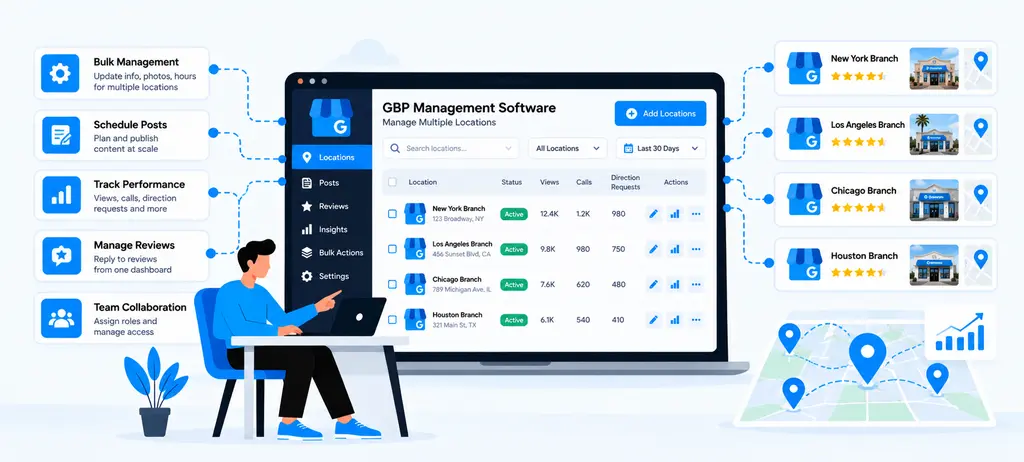

Website SEO Audit That Helps You Find, Fix, and Prevent Ranking Issues

A website SEO audit is one of the most effective ways to uncover the technical, on-page, and content issues that prevent your website from achieving higher search rankings. Even well-designed websites can lose organic traffic because of crawl errors, slow page speed, broken internal links, duplicate content, poor metadata, or indexing problems that often go unnoticed. A comprehensive audit helps you identify these issues before they impact your visibility, user experience, and conversions.
However, a successful website SEO analysis goes beyond running a single report. It involves evaluating your website's technical foundation, on-page optimization, content quality, internal linking, page experience, and overall website SEO performance to understand how search engines and users interact with your pages. The goal isn't simply to find problems—it's to prioritize improvements that generate measurable SEO growth.
In this guide, you'll learn how to perform a complete technical SEO audit and on-page SEO audit using a practical, step-by-step approach. We'll explain what to check, why each factor matters, and how to build an actionable SEO audit report that helps improve rankings, crawlability, and user experience. Whether you're auditing a small business website, an enterprise platform, an eCommerce store, or a growing blog, the same proven process applies.
By the end of this guide, you'll have a complete SEO audit checklist, understand how professional SEO audits are performed, know which issues to fix first, and be able to create a repeatable auditing process that supports long-term organic growth rather than temporary ranking gains.
Key Takeaways
- Learn how to identify the SEO issues that actually affect your website's rankings instead of wasting time fixing low-impact problems.
- Understand how to turn audit findings into a practical action plan that improves search visibility, user experience, and long-term organic growth.
- Discover how to measure the success of your SEO efforts using meaningful performance metrics rather than relying only on keyword rankings or audit scores.
- Avoid the common mistakes that prevent websites from achieving sustainable SEO results, even after completing a technical audit.
- Find out how to build a repeatable website optimization process using the right SEO tools, helping you maintain strong search performance as your website grows.
What Is a Website SEO Audit, and Why Does It Matter?

A website SEO audit is a structured process of evaluating every element that influences your website's ability to rank in search engines and deliver a better experience to users. Rather than focusing on a single SEO factor, it examines your website from multiple perspectives, including technical SEO, on-page optimization, content quality, internal linking, page speed, crawlability, indexability, and overall website health.
Think of your website as a house. High-quality content is the foundation, but even the strongest foundation won't perform well if the plumbing leaks, the electrical system fails, or the roof is damaged. Similarly, publishing excellent content isn't enough if search engines struggle to crawl your pages, duplicate content creates confusion, internal links are missing, or your pages load slowly. A website SEO audit uncovers these hidden issues before they affect rankings, organic traffic, and conversions.
Many website owners assume that SEO problems become obvious only after rankings decline. In reality, search performance often deteriorates gradually. A page that once ranked on the first page of Google may slip because of outdated content, weak internal linking, declining page experience, or technical issues introduced during a website update. Regular audits help you identify these problems early, making them easier—and often less costly—to fix.
What Does a Website SEO Audit Evaluate?
A professional audit goes beyond checking a few SEO settings. It reviews how well your website supports both users and search engines by assessing areas such as:
- Technical SEO: Crawlability, indexability, XML sitemaps, robots.txt, canonical tags, redirects, structured data, and HTTP status codes.
- On-Page SEO: Title tags, meta descriptions, headings, keyword relevance, image optimization, and content structure.
- Content Quality: Search intent, topical coverage, originality, freshness, and opportunities to improve existing pages.
- Internal Linking: Website architecture, anchor text, orphan pages, and link distribution across important pages.
- User Experience: Core Web Vitals, mobile usability, page speed, accessibility, and navigation.
- Website SEO Performance: Organic traffic trends, keyword visibility, indexed pages, and overall technical health.
Each of these components contributes to how search engines interpret your website and how effectively users interact with your content. Ignoring even one area can reduce the impact of improvements made elsewhere.
Why Website SEO Audits Matter More Than Ever
Search engines have evolved significantly over the past few years. Modern ranking systems evaluate far more than keywords—they assess content quality, user experience, technical reliability, topical authority, and how well a website satisfies search intent. At the same time, AI-powered search experiences, including AI Overviews and generative search assistants, increasingly rely on content that is accurate, well-structured, and technically accessible.
A regular website SEO audit helps you:
- Identify technical issues before they affect search visibility.
- Improve crawlability and indexability for important pages.
- Strengthen your internal linking strategy and website architecture.
- Enhance page experience and Core Web Vitals.
- Update outdated content based on current search intent.
- Prioritize SEO improvements based on their potential business impact instead of guesswork.
Rather than reacting to ranking drops, you create a proactive optimization strategy that supports sustainable organic growth.
Turning Audit Findings into Action
An audit only delivers value when its insights are turned into measurable improvements. Instead of generating a long list of issues, focus on prioritizing fixes that have the greatest impact on visibility, user experience, and conversions.
For example, if your audit reveals crawlability issues, start by reviewing your XML Sitemap Validator, Robots.txt Checker, and Page Indexability Checker. If weak website architecture is limiting page discovery, use WRanker's Internal Links Checker to strengthen internal linking between related pages. To evaluate your site's overall health in one place, run a complete scan with the Website SEO Analyzer, which combines technical SEO, on-page SEO, metadata, and page health into a single actionable report.
This approach transforms a website SEO audit from a technical checklist into an ongoing optimization process that continuously improves your website's visibility, authority, and long-term organic performance.
What Does a Complete Website SEO Audit Include?

A complete website SEO audit is much more than running a website through an SEO tool and reviewing a list of recommendations. It is a structured evaluation of every factor that influences how search engines crawl, understand, index, and rank your website, while also assessing how effectively users interact with your content.
Many businesses focus on fixing isolated SEO issues such as updating title tags or improving page speed without understanding how those changes affect the overall website. In reality, search performance depends on multiple elements working together. A technically sound website with poor content will struggle to compete, just as excellent content won't achieve its full potential if search engines cannot efficiently crawl or understand it.
A professional website SEO audit examines your website as a complete ecosystem. Instead of looking at individual SEO tasks in isolation, it evaluates how your technical foundation, content quality, internal linking strategy, and user experience contribute to long-term organic growth.
The Core Components of a Complete Website SEO Audit
A comprehensive audit typically includes the following areas:
| Audit Area | What You'll Evaluate | Why It Matters |
| Technical SEO Audit | Crawlability, indexability, XML sitemaps, robots.txt, redirects, canonical tags, structured data, and HTTP status codes. | Ensures search engines can access, crawl, and understand your website efficiently. |
| On-Page SEO Audit | Title tags, meta descriptions, headings, URL structure, keyword relevance, image optimization, and page-level optimization. | Helps search engines understand each page while improving click-through rates and relevance. |
| Content Quality Analysis | Search intent, topical coverage, originality, freshness, content depth, and overall usefulness. | Creates content that satisfies users and demonstrates topical authority. |
| Internal & External Link Review | Internal linking structure, anchor text, orphan pages, broken links, and outbound links. | Improves crawl paths, distributes authority, and strengthens website architecture. |
| Website Performance & User Experience | Core Web Vitals, page speed, mobile usability, navigation, accessibility, and page stability. | Provides a better user experience while supporting modern ranking signals. |
| SEO Performance Review | Organic traffic, keyword rankings, indexed pages, crawl health, and technical improvements over time. | Measures the impact of SEO efforts and identifies areas that require ongoing optimization. |
These components work together to create a complete picture of your website's health. Improving one area while neglecting others often limits your overall SEO performance, which is why experienced SEO professionals evaluate the website holistically rather than relying on individual metrics.
An Effective Audit Is About Prioritization, Not Just Finding Issues
One of the biggest misconceptions about SEO audits is that success comes from identifying the largest number of problems. In practice, the most valuable audits are those that prioritize improvements based on their potential impact.
For example, fixing a crawlability issue that prevents important pages from being indexed is usually more valuable than making minor metadata changes. Similarly, improving your internal linking strategy may have a greater influence on organic visibility than publishing additional content if existing pages are difficult for users and search engines to discover.
This is why every recommendation should be evaluated in terms of its impact on visibility, user experience, technical health, and business goals—not simply because an SEO tool flags it.
Use the Right Tools for Each Stage of the Audit
No single SEO tool can provide every insight needed for a comprehensive audit. While an all-in-one website SEO analyzer is an excellent starting point, specialized tools help validate individual components and uncover opportunities that general audits may overlook.
As you move through the following sections of this guide, you'll learn how to use dedicated WRanker tools where they naturally fit, including:
- Website SEO Analyzer for a complete website health assessment.
- On-page SEO analysis to evaluate page-level optimization.
- Internal Links Checker to strengthen website architecture and improve crawlability.
- Broken Links Checker to identify URLs that negatively affect user experience.
- XML Sitemap Validator to verify sitemap accuracy.
- Robots.txt Checker to confirm crawler access.
- Page Indexability Checker to ensure important pages can be indexed.
Using these tools together creates a more accurate and actionable audit than relying on a single report.
Now that you understand what a complete website SEO audit includes, the next sections will walk through each stage in detail. We'll begin with the technical foundation of your website, because if search engines cannot efficiently crawl, access, or index your pages, even the best content and on-page optimization will struggle to deliver consistent ranking improvements.
What Are the Major Website SEO Audit Steps That Prevent Ranking Issues
A successful website SEO audit follows a structured process rather than a random checklist. Every stage builds on the previous one, helping you identify technical issues, optimize on-page elements, improve content quality, strengthen internal and external linking, and evaluate your website's overall SEO performance. Following these audit steps in the right order not only helps search engines crawl and understand your website more effectively but also creates a better experience for users.
The following sections walk through the six essential stages of a professional website SEO analysis. Each step explains what to evaluate, why it matters, common mistakes to avoid, and the practical actions you can take using WRanker's SEO tools to build a healthier website and achieve sustainable organic growth.
Step 1: Audit Your Website's Technical SEO

Before optimizing keywords, publishing new content, or building backlinks, you need to ensure your website has a strong technical foundation. A technical SEO audit helps identify the hidden issues that prevent search engines from efficiently discovering, rendering, understanding, and indexing your pages. If these technical barriers remain unresolved, even exceptional content can struggle to achieve its ranking potential.
Unlike an on-page SEO audit, which focuses on individual pages, a technical audit evaluates the infrastructure that supports your entire website. It answers fundamental questions such as:
- Can search engines access your important pages?
- Are they indexing the correct version of each URL?
- Is your website easy to crawl?
- Does your site provide a fast, secure, and stable experience?
- Are there technical issues that limit your organic visibility?
Finding these answers early allows you to resolve problems before they lead to traffic loss, indexing issues, or declining rankings.
1. Verify That Search Engines Can Crawl and Index Your Website
Every SEO strategy begins with crawlability and indexability, but they are often misunderstood.
- Crawlability determines whether search engine bots can discover and access your pages.
- Indexability determines whether those pages are eligible to appear in search results.
A page may be perfectly crawlable yet remain unindexed because of duplicate content, a noindex directive, weak content, canonical conflicts, or other quality signals. Understanding this distinction helps you diagnose problems more accurately instead of assuming every missing page has the same cause.
During this review, check for:
- Robots.txt rules blocking important sections
- Pages unintentionally marked noindex
- Canonical tags pointing to the wrong URL
- Important pages missing from Google's index
- Redirects replacing indexable URLs
Recommended WRanker Tools to Verify That
Don't assume every published page should be indexed. Google indexes pages that provide unique value and satisfy quality expectations. Your goal is to ensure your most valuable pages are accessible, technically correct, and worthy of being indexed.
2. Evaluate Your Website Architecture
A technically healthy website isn't just one without errors; it's easy for both users and search engines to navigate.
Website architecture determines how efficiently authority flows through your pages and how easily important content can be discovered. If valuable pages are buried deep within the site or isolated by poor navigation, they may receive less internal authority and be crawled less frequently.
Review whether:
- Important pages are reachable within a logical number of clicks.
- Categories and subcategories follow a consistent hierarchy.
- Internal links connect related topics naturally.
- Navigation reflects how users search for information.
Recommended WRanker tools:
A clear website structure improves crawl efficiency and helps search engines understand the relationship between your content.
3. Validate Your XML Sitemap
An XML sitemap doesn't improve rankings directly, but it helps search engines discover important URLs more efficiently, especially on large, frequently updated, or newly launched websites. It acts as a discovery aid rather than a ranking signal.
Review whether your sitemap:
- Lists only indexable URLs.
- Excludes redirects, errors, and duplicate pages.
- Updates automatically when new content is published.
- Accurately reflects your current site structure.
Recommended WRanker tools:
4. Review Page Performance and User Experience
Technical SEO extends beyond crawlability. Once search engines can access your content, they also evaluate how efficiently users can interact with it.
Instead of chasing perfect performance scores, focus on identifying issues that genuinely affect usability, such as slow loading, layout instability, or oversized page resources. Improvements in these areas often lead to better engagement and can support your overall search performance.
Review:
- Core Web Vitals
- Mobile responsiveness
- Page loading performance
- Resource size
- Overall page experience
Recommended WRanker tools:
5. Audit Redirects and HTTP Responses
Redirects are essential when URLs change, but they should be implemented carefully. Long redirect chains, loops, and incorrect HTTP responses make crawling less efficient and create a frustrating user experience.
During your audit, identify:
- 404 pages
- 5xx server errors
- Redirect chains
- Redirect loops
- Temporary redirects that should be permanent
Recommended WRanker tools:
6. Review Technical Trust Signals
Modern technical SEO also includes validating the signals that demonstrate trust and help search engines correctly interpret your website.
Check whether:
- HTTPS is implemented consistently.
- SSL certificates are valid.
- Mixed content warnings are eliminated.
- Hreflang annotations are correct for multilingual sites.
- Structured data is valid and matches the visible content.
These elements support a reliable user experience and help search engines better understand your pages.
Recommended WRanker tools:
- SSL Certificate Checker
- Mixed Content Scanner
- Hreflang Checker
- Schema Markup Validator
- Schema Markup Generator
Prioritize Issues Based on Business Impact
One mistake many website owners make is trying to fix every issue reported by an SEO tool. In practice, not every warning deserves the same attention.
A more effective approach is to classify findings into three priority levels:
| Priority | Examples | Recommended Action |
| High | Crawl blocks, indexing issues, incorrect canonicals, server errors | Resolve immediately, as these can directly affect discoverability and visibility. |
| Medium | Redirect chains, missing structured data, performance bottlenecks, internal linking gaps | Schedule these after critical issues are fixed because they improve efficiency and user experience. |
| Low | Minor metadata inconsistencies or non-critical optimization opportunities | Address during ongoing maintenance rather than delaying more impactful work. |
This framework helps you focus on changes that are most likely to improve search visibility and business outcomes, rather than chasing a perfect audit score.
A technical SEO audit isn't about achieving a flawless score in an SEO tool. It's about ensuring your website is technically accessible, logically organized, and free from the issues that prevent search engines and users from reaching your most valuable content.
Start with a comprehensive review using WRanker's Website SEO Analyzer, then investigate specific findings with focused tools such as the Google Indexing Checker, Robots.txt Tester, Canonical Tag Checker, Sitemap Validator & Coverage, and Core Web Vitals Checker. This layered approach gives you both a high-level view of your site's health and the detailed insights needed to prioritize fixes that deliver lasting SEO improvements.
Step 2: Perform an On-Page SEO Audit

Once your website's technical foundation is in place, the next step in a website SEO audit is evaluating how effectively each page communicates its purpose to both users and search engines. This process is known as an on-page SEO audit, and it focuses on optimizing the visible elements that influence relevance, user engagement, and search performance.
Unlike technical SEO, which ensures search engines can access your pages, on-page SEO helps search engines understand what your content is about, which search intent it satisfies, and why it deserves to rank. A technically perfect page with weak on-page optimization often struggles to compete against content that better matches user expectations.
The goal isn't to optimize for keywords alone; it's to create pages that are useful, well-structured, easy to understand, and aligned with what users are actually searching for.
1. Confirm That the Page Matches Search Intent
Every successful page begins with understanding why someone searched for a particular query.
Before reviewing titles or headings, ask yourself:
- Does this page answer the user's primary question?
- Is the content aligned with informational, commercial, navigational, or transactional intent?
- Would someone searching this keyword leave with a complete answer?
Many pages fail not because they're poorly written, but because they solve a different problem than the one users expect. Search engines increasingly reward content that satisfies intent rather than pages that simply repeat keywords.
Before updating any page, compare it with the current top-ranking results. Look for unanswered questions, missing examples, outdated information, or weak explanations. Your goal isn't to copy competitors—it's to create a more complete and helpful resource.
Recommended WRanker Tool:
- Keyword Research: Discover the primary keyword, supporting keywords, and search intent before optimizing your page.
2. Review Your Titles, Headings, and URL Structure
Your title tag, headings, and URL help search engines understand the topic of your page while also influencing whether users click your result.
During your audit, check whether:
- The title clearly communicates the page's value.
- The primary keyword appears naturally.
- Headings follow a logical hierarchy (H1 → H2 → H3).
- The URL is descriptive, concise, and easy to read.
- Each page has a unique title and meta description.
Avoid writing titles solely for search engines. A clear, benefit-driven title is more likely to earn clicks than one overloaded with keywords.
Recommended WRanker Tools:
- Heading Structure Checker
- SERP Snippet Preview
- Duplicate Titles & Meta Descriptions Detector
- Meta Tags + Social Preview
3. Evaluate Content Quality and Topical Coverage
Modern SEO is no longer about publishing the longest article; it is about publishing the most helpful one.
Review whether your content:
- Answers the primary question clearly.
- Covers related subtopics naturally.
- Includes practical examples or actionable advice.
- Reflects current information and industry best practices.
- Demonstrates real experience instead of repeating generic SEO advice.
If users still need to visit another website to find missing information, your page may not be fully satisfying their intent.
A useful page builds trust by explaining why something matters, how to implement it, and what readers should do next.
4. Optimize Images and Supporting Content
Images improve readability, but they also contribute to accessibility and page performance when optimized correctly.
During your audit, review:
- Descriptive ALT text that explains the image naturally.
- File sizes that don't slow page loading.
- Relevant filenames before uploading images.
- Visuals that genuinely support the content rather than acting as decoration.
Remember, image optimization is about helping both users and search engines understand your content, not about stuffing keywords into ALT attributes.
Recommended WRanker Tool
5. Improve Internal Linking and Context
Every important page should be connected to related content across your website. Internal links help visitors discover additional resources while also helping search engines understand your website's topical relationships.
Review whether your page:
- Links to closely related articles or tools.
- Uses descriptive anchor text.
- Avoids orphan pages.
- Supports logical topic clusters.
For example, if you're writing about a website SEO audit, readers may also benefit from related resources such as:
- Website SEO Analyzer
- Internal Links Checker
- Broken Link Checker
- Technical SEO guides
- Keyword research resources
These contextual links improve navigation and strengthen your website's topical authority.
Recommended WRanker Tool:
6. Review Structured Data and Search Appearance
Even high-quality pages can miss opportunities if search engines struggle to interpret their content.
Review whether your page includes appropriate structured data for its content type, such as:
- Article
- FAQ
- Breadcrumb
- Organization
- WebPage
Well-implemented schema improves content understanding and can increase eligibility for enhanced search features.
Also review how your page appears before it reaches users by checking its title, description, and social preview.
Recommended WRanker Tools:
- Schema Markup Generator
- Schema Markup Validator
- SERP Snippet Preview
- Meta Tags + Social Preview
- Open Graph Checker
An on-page SEO audit should end with a clear action plan, not just a list of recommendations. Prioritize updates that improve the reader's experience, strengthen topical coverage, and make your pages easier for search engines to understand.
Begin by researching the right keywords with Keyword Research, evaluate page quality using the Website SEO Analyzer, and review headings with the Heading Structure Checker, optimize search appearance using SERP Snippet Preview and Meta Tags + Social Preview, and validate structured data with the Schema Markup Validator. Together, these tools help you transform well-written pages into content that is technically optimized, user-focused, and better positioned to earn long-term organic visibility.
Step 3: Analyze Website Content Quality

Publishing content consistently doesn't guarantee higher rankings. Search engines evaluate whether your content genuinely satisfies user intent, demonstrates expertise, answers important questions, and provides a better experience than competing pages. That's why analyzing content quality is a critical step in every website SEO audit.
Many websites lose rankings not because of technical problems, but because their content becomes outdated, incomplete, repetitive, or no longer aligns with what users expect. Search behavior evolves over time, competitors publish more comprehensive resources, and Google's ranking systems continue rewarding content that demonstrates experience, expertise, authority, and trustworthiness (E-E-A-T). Regularly reviewing your content helps ensure it remains valuable, relevant, and competitive.
Rather than asking, "Is this page optimized for my keyword?" ask a more important question:
"Is this the best resource a user could find for this topic?"
That shift in mindset often separates pages that consistently rank from those that gradually lose visibility.
1. Does Your Content Fully Satisfy Search Intent?
Every successful page begins with understanding why someone searched for a particular keyword.
For example, someone searching for "website SEO audit" is rarely looking for a simple definition. They want to understand the audit process, learn what to check, discover common mistakes, choose the right tools, and know how to improve their website.
If your content answers only one of those questions, users will continue searching elsewhere, and search engines recognize that behavior over time.
When reviewing your pages, ask yourself:
- Does the content answer the user's primary question immediately?
- Does it solve related problems without forcing users to search again?
- Is the information practical rather than theoretical?
- Have I included examples, workflows, or real-world recommendations?
Pages that completely satisfy user intent are more likely to earn engagement, backlinks, repeat visits, and long-term search visibility.
2. Evaluate Topical Depth Instead of Word Count
One of the biggest SEO myths is that longer content automatically ranks better.
In reality, search engines don't reward pages because they contain more words; they reward pages that provide complete, accurate, and helpful information.
Instead of asking:
How many words should this article have?
Ask:
Have I covered everything a reader needs to know to complete their task?
A high-quality article naturally covers:
- Core concepts
- Supporting subtopics
- Common mistakes
- Practical implementation
- Frequently asked questions
- Related resources
This creates stronger topical authority than simply expanding paragraphs with unnecessary information.
3. Review Content for Accuracy and Freshness
SEO advice changes continuously. Recommendations that were effective a few years ago may no longer reflect current best practices.
During your content review, check whether:
- Statistics and examples are still accurate.
- References reflect current Google guidance.
- Screenshots and workflows match modern tools.
- Broken links are removed or replaced.
- Outdated recommendations have been updated.
Refreshing existing content is often more effective than publishing new articles because established pages may already have authority, backlinks, and search visibility.
If an article receives consistent traffic but rankings begin to decline, update it before replacing it. Improving existing content usually requires fewer resources than creating a new page from scratch.
4. Demonstrate Experience and Expertise
Search engines increasingly favor content written by people who demonstrate genuine knowledge and practical experience.
Instead of repeating information available on hundreds of websites, explain:
- What you've observed in real SEO projects.
- Which mistakes occur most frequently.
- What actually works in practice.
- Why one approach is preferable to another.
Adding practical insights, examples, decision-making frameworks, and implementation tips helps build trust with both readers and search engines.
This is where E-E-A-T becomes visible, not through claims of expertise, but through the quality and usefulness of your explanations.
5. Remove Thin, Duplicate, and Low-Value Content
Publishing more pages doesn't always improve SEO.
If multiple pages target the same intent or provide little original value, they can compete with each other and dilute your website's topical authority.
Review your website for:
- Thin pages with limited information.
- Duplicate or near-duplicate content.
- Pages targeting identical keywords.
- Placeholder or unfinished content.
- Outdated articles that no longer provide value.
Rather than deleting every weak page, consider whether it should be expanded, consolidated with another article, redirected, or removed entirely.
Recommended WRanker Tools:
These tools help identify placeholder content, keyword overuse, and pages that may require further optimization.
6. Strengthen Content with Contextual Internal Links
Great content should guide readers naturally through related topics instead of ending the conversation.
Internal links help users discover additional resources while strengthening your website's topical relationships.
For example, a reader performing a website SEO audit may also benefit from learning about:
- Keyword research
- Internal linking strategies
- Broken link analysis
- Technical SEO improvements
- Schema implementation
Contextual internal linking improves navigation, encourages deeper engagement, and helps search engines understand how your content is connected.
Recommended WRanker Tool:
Common Content Quality Mistakes That Limit Rankings
Even well-written articles can underperform if they overlook fundamental quality principles.
Some of the most common issues include:
- Writing for keywords instead of readers.
- Covering topics superficially.
- Publishing outdated information.
- Ignoring search intent changes.
- Creating multiple pages around the same topic.
- Using AI-generated text without expert review or original insights.
- Failing to support important claims with examples or evidence.
Avoiding these mistakes helps your content remain valuable long after publication.
Build Content That Deserves to Rank
Content quality is no longer measured by length, keyword frequency, or publishing volume. It is measured by how effectively your page helps readers solve a problem, make a decision, or complete a task.
Before publishing or updating any page, review whether it answers the user's questions comprehensively, reflects current best practices, demonstrates genuine expertise, and connects readers to the next relevant resource. Use WRanker's Website SEO Analyzer to identify page-level improvements, Dummy Content Checker to remove placeholder text, Keyword Research to validate search intent, and Internal Links Checker to strengthen topical relationships across your website.
When every page is created to be the most useful resource on its topic—not simply the most optimized—you build lasting topical authority that benefits both traditional search engines and AI-powered search experiences.
Step 4: Check Internal and External Links

A website's link structure determines how efficiently both users and search engines navigate its content. While content explains your expertise, links provide the pathways that connect related topics, distribute authority, and help search engines discover new pages. That's why auditing your internal and external links is an essential part of every website SEO audit.
Many SEO issues are caused not by poor content but by poor connectivity between pages. Important pages become isolated, outdated resources continue receiving internal links, broken links interrupt the user journey, and external references gradually become unavailable. Over time, these issues weaken both user experience and your website's overall SEO performance.
Rather than viewing links as simple navigation elements, think of them as the framework that connects your entire website.
1. Evaluate Your Internal Linking Strategy
Internal links help search engines understand how your content is organized and which pages are most important. A well-planned internal linking strategy also guides visitors toward relevant resources, keeping them engaged for longer and helping them complete their journey naturally.
During your audit, review whether:
- Important pages receive enough internal links.
- Related articles are connected contextually.
- Pillar pages link to supporting content.
- New pages are integrated into existing topic clusters.
- Navigation makes important content easy to discover.
Instead of adding links randomly, every internal link should have a purpose. Ask yourself whether the linked page genuinely expands the reader's understanding of the topic.
For example, while reading this guide, readers may naturally want to explore related resources such as Keyword Research, Website SEO Analyzer, Technical SEO, or Internal Links Checker. These contextual links improve navigation because they answer the reader's next logical question.
Recommended WRanker Tools:
Internal links should guide users through a logical learning path, not simply increase the number of links on a page. Quality and relevance are far more valuable than quantity.
2. Identify Orphan and Deep-Level Pages
Not every page receives equal visibility within a website. Some valuable pages become "orphan pages," meaning they have little or no internal links pointing to them. Others are buried several clicks away from the homepage, making them harder for both users and search engines to discover.
Review your website to identify:
- Pages with few or no incoming internal links.
- Important content hidden deep within the site hierarchy.
- Older articles that are no longer connected to newer content.
- Landing pages that receive little internal authority.
Strengthening connections between related pages improves crawl efficiency and helps distribute authority across your website more effectively.
Recommended WRanker Tool
3. Audit Anchor Text for Relevance
Anchor text provides context about the destination page. Well-written anchor text helps both users and search engines understand what they can expect after clicking a link.
Review whether your anchor text:
- Describes the destination naturally.
- Matches the surrounding context.
- Avoids generic phrases such as "Click Here" or "Read More."
- Uses descriptive language without excessive keyword repetition.
Instead of forcing exact-match keywords into every internal link, prioritize clarity and relevance. Natural anchor text creates a better reading experience and helps search engines interpret topical relationships.
4. Check for Broken Internal and External Links
Broken links create unnecessary friction for users and waste opportunities to guide visitors toward valuable content. They may also reduce confidence in your website if readers repeatedly encounter pages that no longer exist.
During your audit, identify:
- Internal links pointing to deleted or redirected pages.
- External references that return 404 or server errors.
- Links leading to outdated resources.
- Redirect chains that slow navigation.
Replace broken links with the most relevant and up-to-date destination whenever possible.
Recommended WRanker Tools:
Broken links rarely cause immediate ranking losses by themselves, but they negatively affect usability and often indicate poor website maintenance. Regular link audits help maintain a high-quality user experience.
5. Review the Quality of External Links
External links demonstrate that your content is supported by reliable sources and provide readers with additional context when appropriate. However, linking to low-quality, outdated, or irrelevant websites can reduce the credibility of your content.
Review whether your outbound links:
- Support factual statements or research.
- Point to authoritative and trustworthy sources.
- Remain accessible and up-to-date.
- Add genuine value instead of distracting readers.
Linking externally should never feel like sending visitors away from your website. Instead, it should reinforce trust by referencing high-quality information where it genuinely improves the reader's understanding.
Recommended WRanker Tool:
6. Strengthen Topic Clusters Through Strategic Linking
Modern SEO isn't about optimizing isolated pages; it's about building interconnected topic clusters.
Each pillar page should connect naturally to supporting articles, tools, guides, and resources covering related subtopics. This helps search engines understand your expertise while encouraging readers to explore additional content.
For example, this website SEO audit guide can naturally connect readers to:
- Website SEO Analyzer for a complete website audit.
- Keyword research to identify new ranking opportunities.
- Internal Links Checker to improve website architecture.
- Broken Link Checker to resolve navigation issues.
- External Links Checker to validate outbound references.
- Schema Markup Generator to enhance structured data.
- Core Web Vitals Checker to improve page experience.
These contextual recommendations create a stronger knowledge ecosystem rather than isolated articles.
Common Link Audit Mistakes That Should Be Avoided
Even experienced website owners often overlook link-related issues that reduce the effectiveness of their SEO strategy.
Some of the most common mistakes include:
- Adding internal links without considering relevance.
- Leaving orphan pages disconnected from the rest of the website.
- Using repetitive or keyword-stuffed anchor text.
- Failing to monitor broken internal and external links.
- Linking to outdated or low-quality external sources.
- Publishing new content without connecting it to existing topic clusters.
Avoiding these mistakes helps create a website that is easier to navigate, easier to crawl, and more valuable for readers.
Build a Connected Website, Not Just Individual Pages
Internal and external links are much more than navigation elements; they define how information flows throughout your website. A thoughtful linking strategy helps search engines understand your topical expertise while guiding visitors toward the most relevant resources at every stage of their journey.
Start by reviewing your website with WRanker's Internal Links Checker to identify linking opportunities, use the Internal Link Depth Checker to uncover isolated pages, scan for navigation issues with the Broken Link Checker, verify outbound references using the External Links Checker, and confirm redirect behavior with the Redirection Finder. Together, these tools help you build a stronger website architecture that supports better crawling, improved user experience, and long-term organic growth.
Step 5: Evaluate Website Speed and User Experience
A fast website creates a better experience for users, but speed alone isn't the goal. The real objective of a website SEO audit is to ensure visitors can access, navigate, and interact with your website without unnecessary delays or frustration. Every extra second of waiting increases the likelihood that users abandon the page before engaging with your content.
Search engines also evaluate how users experience your website. While page experience signals alone won't guarantee higher rankings, a website that loads quickly, remains visually stable, and responds smoothly encourages longer visits, lower bounce rates, and higher engagement, all of which support long-term SEO performance.
Instead of chasing a perfect performance score, focus on creating a website that is fast, reliable, and easy to use across all devices.
1. Measure Real User Experience, Not Just Speed Scores
Many website owners become obsessed with achieving a perfect PageSpeed score. While performance testing tools are valuable, they should never become the primary goal.
Ask yourself:
- Does the page load quickly enough for real visitors?
- Can users interact with important elements immediately?
- Does the layout remain stable while loading?
- Does the website perform consistently on mobile devices and slower internet connections?
A website that delivers a smooth experience for users is far more valuable than one that simply achieves a high testing score.
Performance scores are diagnostic tools, not ranking scores. Use them to identify improvement opportunities, but always prioritize changes that improve the real user experience.
Recommended WRanker Tools:
2. Review Core Web Vitals
Core Web Vitals help evaluate how users experience page loading, responsiveness, and visual stability. Rather than treating them as isolated SEO metrics, think of them as indicators of overall website usability.
A complete audit should review:
- Largest Contentful Paint (LCP): Measures how quickly the main content becomes visible.
- Interaction to Next Paint (INP): Evaluates how responsive the page feels after user interactions.
- Cumulative Layout Shift (CLS): Identifies unexpected layout movements that disrupt the browsing experience.
Poor Core Web Vitals often indicate larger issues such as unoptimized images, excessive JavaScript, render-blocking resources, or unstable page layouts.
Recommended WRanker Tool:
3. Identify Performance Bottlenecks
Slow websites rarely have a single cause. Performance issues usually result from several small inefficiencies working together.
During your audit, investigate whether your pages contain:
- Oversized images or media files.
- Large CSS and JavaScript resources.
- Excessive third-party scripts.
- Unnecessary redirects.
- Slow server response times.
- Pages with unusually large file sizes.
Prioritize optimizations that improve the loading of visible content first, as these changes have the greatest impact on the user experience.
Recommended WRanker Tools:
4. Evaluate Mobile User Experience
Most websites now receive the majority of their organic traffic from mobile devices. A page that performs well on desktop but creates friction on smartphones can lose valuable visitors and engagement.
Review whether your website:
- Displays correctly across different screen sizes.
- Uses readable fonts and appropriate spacing.
- Provides tap-friendly buttons and navigation.
- Avoids intrusive pop-ups that block important content.
- Loads efficiently on mobile networks.
A mobile-friendly experience benefits both users and search engines because Google primarily evaluates the mobile version of your website when indexing content.
Recommended WRanker Tool
5. Improve Website Stability and Accessibility
User experience extends beyond loading speed. Visitors expect websites to remain stable, secure, and easy to navigate throughout their session.
During your audit, review whether:
- Layout elements remain stable while loading.
- HTTPS is implemented consistently.
- Mixed content warnings are eliminated.
- Navigation works correctly across all pages.
- Important content is immediately accessible.
Small usability improvements often have a larger impact on visitor satisfaction than chasing marginal performance gains.
Recommended WRanker Tools:
- SSL Certificate Checker
- Mixed Content Scanner
- Page Technical Health Checker
6. Balance Performance With Functionality
A common mistake during performance optimization is removing useful functionality simply to improve testing scores.
For example:
- Removing essential analytics may increase performance scores but reduce valuable business insights.
- Delaying critical scripts may improve metrics while breaking important user interactions.
- Compressing images excessively can reduce page weight but negatively affect visual quality.
The objective isn't to build the lightest possible website; it's to create one that balances speed, usability, accessibility, and functionality.
Successful SEO focuses on improving the overall user experience rather than optimizing individual metrics in isolation.
Common Website Speed and User Experience Mistakes
Even well-designed websites often lose performance because of avoidable issues.
Some of the most common mistakes include:
- Prioritizing performance scores instead of real user experience.
- Uploading oversized images without optimization.
- Loading unnecessary JavaScript and third-party scripts on every page.
- Ignoring mobile usability during testing.
- Failing to monitor Core Web Vitals regularly.
- Introducing new design elements without evaluating their performance impact.
Regular performance reviews help prevent these problems from accumulating over time.
Build a Faster Website That Keeps Visitors Engaged
Website speed and user experience should be viewed as ongoing optimization efforts rather than one-time technical fixes. As new content, plugins, scripts, and design changes are introduced, performance should be reviewed regularly to ensure users continue receiving a fast and seamless experience.
Use WRanker's Core Web Vitals Checker to evaluate loading performance, the Page Experience Checker to assess usability, the Page Size Checker to identify heavy resources, the Page Technical Health Checker to uncover technical bottlenecks, and the HTTP Header Checker to verify server responses. Together, these tools help you identify improvements that enhance user satisfaction while supporting sustainable SEO growth.
Why Website Speed Matters for AI Search and Modern SEO
As AI-powered search engines become more sophisticated, they increasingly rely on websites that are technically reliable, accessible, and easy to process. While page speed itself isn't a direct AI ranking factor, websites with strong performance typically offer cleaner code, better crawl efficiency, improved accessibility, and a superior user experience, all of which contribute to greater trust and discoverability.
Whether your goal is to rank in traditional search results or appear in AI-generated answers, a fast and user-friendly website provides the technical foundation that supports both.
Step 6: Review Your Website SEO Performance
Completing a website SEO audit is only the beginning. The real value comes from measuring whether your improvements lead to better search visibility, stronger user engagement, and meaningful business outcomes. Without tracking performance over time, it's impossible to know which optimizations are working and which areas still need attention.
Many website owners make the mistake of performing a one-time audit, fixing a few issues, and assuming the work is complete. In reality, SEO is an ongoing process. Search algorithms evolve, competitors improve their content, and user expectations change continuously. Regular performance reviews help you identify new opportunities before rankings begin to decline.
Instead of asking, "Did I complete the audit?", ask a more valuable question:
Is my website performing better today than it did before the audit?
That shift turns an SEO audit from a checklist into a measurable growth strategy.
1. Monitor Organic Search Visibility
One of the first indicators of SEO success is improved organic visibility. Rather than focusing on a single keyword, evaluate how your website performs across an entire group of relevant search terms.
Review whether:
- More pages are appearing in search results.
- Important landing pages are gaining visibility.
- New keywords are generating impressions.
- Existing pages are improving their average ranking positions.
Remember that SEO improvements often take time. A gradual increase in impressions usually appears before significant ranking or traffic gains.
Ranking #1 for one keyword is less valuable than consistently improving visibility across dozens of relevant keywords. Sustainable SEO growth comes from expanding topical authority, not chasing individual rankings.
2. Analyze Organic Traffic Trends
Higher rankings should eventually translate into more qualified organic visitors, but traffic should always be evaluated in context.
During your review, compare:
- Organic sessions over time.
- Traffic growth for key landing pages.
- Performance before and after major optimizations.
- Seasonal fluctuations versus long-term trends.
A temporary decline doesn't always indicate an SEO problem. Algorithm updates, seasonal demand, or changes in search behavior can all influence traffic patterns. Focus on long-term performance rather than daily fluctuations.
3. Measure User Engagement Signals
Strong rankings have limited value if visitors leave without interacting with your website.
Evaluate how users behave after arriving on your pages by reviewing:
- Engagement rate.
- Average engagement time.
- Pages viewed per session.
- Return visitors.
- Scroll depth and meaningful interactions.
If visitors leave quickly, revisit your content quality, page experience, and search intent alignment rather than assuming the issue is technical.
SEO success isn't measured by attracting visitors alone; it's measured by keeping them engaged and helping them complete their goals.
4. Review Indexing and Crawl Health Regularly
Technical issues can appear at any time as your website grows. A page that was indexed last month may become inaccessible because of a deployment error, incorrect canonical tag, robots.txt update, or accidental redirect.
Regularly review whether:
- Important pages remain indexed.
- New content is discovered promptly.
- Crawl errors increase unexpectedly.
- Redirects and broken links appear after website updates.
- Technical changes affect search visibility.
Routine monitoring helps prevent small technical issues from becoming larger SEO problems.
Recommended WRanker Tools:
5. Track the Performance of Your Content
Every article and landing page should contribute to your overall SEO strategy.
Review whether your content:
- Continues attracting relevant traffic.
- Answers evolving search intent.
- Generates new keyword opportunities.
- Maintains or improves its rankings over time.
- Requires updates to remain competitive.
High-performing content should be refreshed regularly, while underperforming pages should be expanded, consolidated, or improved based on user needs.
Updating an existing page with new insights, examples, and current information often delivers better SEO results than publishing another article targeting the same topic.
6. Measure Business Impact, Not Just SEO Metrics
The ultimate purpose of SEO isn't simply increasing rankings; it's helping your website achieve meaningful business goals.
Depending on your objectives, review metrics such as:
- Lead generation.
- Contact form submissions.
- Product purchases.
- Newsletter sign-ups.
- Demo requests.
- Other key conversions.
A page ranking in the top three positions but generating no meaningful actions may require improvements to its messaging, user experience, or calls to action.
Successful SEO connects search visibility with measurable business outcomes.
Create an Ongoing SEO Improvement Process
The most successful websites don't perform a single audit each year; they establish a continuous optimization cycle.
A practical workflow looks like this:
- Audit your website.
- Prioritize high-impact issues.
- Implement improvements.
- Measure the results.
- Update content and technical elements.
- Repeat the process regularly.
This iterative approach allows your website to adapt to algorithm updates, changing user behavior, and new competitor strategies without waiting for performance to decline.
Common Website SEO Performance Review Mistakes
Many businesses struggle to evaluate SEO success because they focus on incomplete or misleading metrics.
Some of the most common mistakes include:
- Measuring rankings without considering search intent.
- Reacting to short-term traffic fluctuations.
- Ignoring engagement and conversion data.
- Performing audits only when rankings decline.
- Tracking only homepage performance while overlooking important landing pages.
- Failing to review technical health after website updates.
Avoiding these mistakes helps you make informed decisions based on long-term performance rather than isolated metrics.
How to Turn Audit Insights Into Continuous SEO Growth
A successful website SEO audit doesn't end when technical issues are fixed; it evolves into an ongoing optimization strategy. Regularly reviewing search visibility, user engagement, technical health, content performance, and business outcomes helps ensure your website continues to grow alongside changing search behavior and algorithm updates.
Start by evaluating your website with the Website SEO Analyzer, verify index coverage using the Google Indexing Checker, identify navigation issues with the Broken Link Checker, monitor redirects through the Redirection Finder, and revisit keyword researchregularly to uncover new opportunities. Together, these tools help you transform one-time audit findings into a continuous SEO improvement process.
How to Create an SEO Audit Report That Drives Action
Completing a website SEO audit gives you valuable insights, but insights alone don't improve rankings. The real impact comes from turning those findings into a structured implementation plan that developers, content teams, marketers, and business stakeholders can understand and execute.
Many SEO audits fail because they overwhelm teams with hundreds of technical observations but provide little guidance on where to begin. A report filled with warnings, screenshots, and exported data may look comprehensive, but if it doesn't help people make decisions, it won't improve your website.
An effective SEO audit report doesn't try to document everything. Instead, it answers one important question:
What should we fix first to achieve the greatest SEO impact?
That mindset transforms an audit from a diagnostic document into a business strategy.
Build Your Report Around Business Objectives
Every website has different goals. An eCommerce website wants more sales, a SaaS company wants more product sign-ups, while a publisher focuses on increasing qualified organic traffic.
Before preparing your report, define the objective it supports.
Examples include:
- Increasing organic traffic
- Improving keyword visibility
- Recovering lost rankings
- Increasing conversions
- Preparing for a website migration
- Supporting AI search visibility
- Improving crawl efficiency
When recommendations are aligned with business goals, implementation becomes much easier because stakeholders understand why each change matters.
Convert Audit Findings Into Actionable Tasks
One of the biggest mistakes in SEO reporting is describing problems without explaining how to solve them.
Instead of writing:
143 pages have duplicate metadata.
Translate that into an action:
Problem
Duplicate title tags are reducing the uniqueness of multiple landing pages.
Business Impact
Search engines may struggle to understand page relevance, reducing click-through opportunities.
Recommended Action
Rewrite metadata for high-priority pages based on search intent and business value.
Owner
SEO Team
Priority
High
This format immediately tells every stakeholder what needs to happen next.
Create an SEO Implementation Roadmap
Professional SEO agencies rarely implement every recommendation simultaneously.
Instead, they divide work into implementation phases.
| Phase | Primary Objective | Teams Involved |
| Phase 1 | Resolve critical technical issues affecting crawling and indexing. | SEO + Development |
| Phase 2 | Improve page optimization and content quality. | SEO + Content |
| Phase 3 | Strengthen internal linking and website architecture. | SEO |
| Phase 4 | Improve page experience and Core Web Vitals. | Development |
| Phase 5 | Monitor performance and refine the strategy. | SEO + Marketing |
This phased approach keeps projects manageable while ensuring high-impact issues are resolved first.
Estimate SEO Impact Before Development Begins
One area where many SEO reports fail is helping decision-makers prioritize development resources.
Rather than listing every issue equally, estimate the potential impact of each recommendation.
For every task, consider:
- How many pages are affected?
- Will this improve crawling or indexing?
- Could it increase organic traffic?
- Does it improve conversions or user experience?
- How much development effort is required?
A simple impact-versus-effort matrix helps teams identify quick wins while planning larger improvements strategically.
Define Success Before Implementation
An SEO recommendation is only successful if its outcome can be measured.
For every major recommendation, define:
- Success metric
- Current benchmark
- Target result
- Review period
For example:
| Recommendation | KPI | Success Indicator |
| Improve Core Web Vitals | Page Experience | Better loading performance |
| Strengthen internal linking | Crawl efficiency | More important pages discovered |
| Refresh outdated content | Organic visibility | Growth in impressions and keyword coverage |
| Improve metadata | CTR | Higher click-through rate from search results |
This makes your report measurable instead of subjective.
Create Separate Reports for Different Stakeholders
One report rarely satisfies everyone involved in an SEO project.
Consider creating different views depending on the audience.
Executive Summary
Designed for business owners and managers.
Include:
- Overall website health
- Key business risks
- Expected SEO opportunities
- High-priority recommendations
Technical Report
Designed for developers.
Include:
- Crawl issues
- Indexing problems
- Redirects
- Structured data
- Performance recommendations
Content Optimization Report
Designed for content teams.
Include:
- Search intent gaps
- Thin content
- Internal linking opportunities
- Content refresh priorities
- Keyword expansion opportunities
This approach speeds up implementation because every team receives only the information relevant to them.
Treat Your SEO Audit Report as a Living Document
One of the biggest mistakes businesses make is generating an audit report, implementing a few recommendations, and never reviewing it again.
A successful report evolves alongside your website.
As new content is published, website features change, or search algorithms evolve, revisit the report to:
- Mark completed recommendations.
- Remove resolved issues.
- Add newly discovered opportunities.
- Reassess implementation priorities.
- Measure the business impact of completed work.
Instead of creating a new report every few months, continuously improve the existing one. This creates a documented SEO history that helps teams make better long-term decisions.
The best SEO audit reports don't impress clients with the number of issues they discover; they create confidence by showing a clear path to improvement.
A report that identifies 20 high-impact actions with defined owners, measurable outcomes, and realistic timelines is significantly more valuable than a 100-page export listing every warning generated by an SEO tool.
Focus on helping stakeholders answer three simple questions:
- What should we fix first?
- Why does it matter?
- How will we measure success?
When your report consistently answers these questions, it becomes more than an audit; it becomes the roadmap that drives sustainable SEO growth.
How Often Should You Perform a Website SEO Audit?

A website SEO audit shouldn't be treated as a one-time project. Search engines continuously update their ranking systems, competitors publish new content, users change their search behavior, and websites evolve with every new page, plugin, redesign, or technical update. To maintain strong organic visibility, your SEO audit process should become part of your ongoing website maintenance strategy.
The right audit frequency depends on how often your website changes. A small business website with a handful of static pages doesn't require the same review schedule as a large eCommerce store or a news website publishing hundreds of new pages each month.
Rather than asking, "How often should I audit my website?" ask:
How often does my website change, and how quickly could those changes affect my SEO performance?
The answer will help determine the most effective audit schedule.
Recommended Website SEO Audit Frequency
Instead of following a fixed schedule, choose an audit frequency that matches your website's size, complexity, and update cycle.
| Website Type | Recommended Audit Frequency | Why It Matters |
| Small business websites | Every 6–12 months | Static websites change less frequently but still require periodic reviews to identify technical issues, outdated content, and SEO opportunities. |
| Company blogs and service websites | Every 3–6 months | Regular content publishing and on-page updates can affect rankings, internal linking, and keyword performance over time. |
| eCommerce websites | Monthly or quarterly | Frequent product updates, inventory changes, redirects, and category modifications can create technical SEO issues quickly. |
| News, publishing, and high-growth websites | Monthly | Large websites publish content continuously and require frequent monitoring to maintain crawl efficiency, indexing, and overall site health. |
| After major website changes | Immediately after deployment | Website migrations, redesigns, CMS updates, or structural changes should always be followed by a complete SEO audit to identify unexpected issues before they affect search visibility. |
This approach helps prevent small SEO problems from becoming long-term ranking issues.
Situations That Require an Immediate SEO Audit
While scheduled audits are important, certain events should trigger an additional review regardless of your regular audit cycle.
Perform a website SEO audit immediately if you notice:
- A sudden decline in organic traffic.
- Significant keyword ranking losses.
- A major website redesign or migration.
- Large-scale URL or navigation changes.
- CMS, plugin, or framework updates.
- Indexing or crawl errors.
- Core Web Vitals or page experience issues after new feature releases.
- Google algorithm updates that noticeably affect your website's performance.
Addressing these issues early helps minimize their long-term impact and prevents small technical problems from affecting your entire website.
Monitor Your Website Between Full Audits
A complete SEO audit may only be necessary every few months, but your website should still be monitored regularly.
Instead of waiting until rankings decline, establish a routine to review:
- Organic keyword visibility.
- Crawl and indexing status.
- Broken internal and external links.
- Core Web Vitals and page experience.
- New technical issues after website updates.
- Performance of newly published content.
This proactive approach allows you to identify and resolve problems before they begin affecting users or search engines.
Think of a website SEO audit like a regular health check rather than emergency treatment. Consistent monitoring helps identify small issues while they are still easy to fix, reducing the risk of significant ranking or traffic losses later.
Create an Ongoing SEO Maintenance Workflow
The most successful websites don't rely on occasional audits; they build a repeatable optimization process.
A practical workflow looks like this:
- Monitor your website regularly.
- Identify new technical or content issues.
- Prioritize fixes based on business impact.
- Implement improvements.
- Measure the results.
- Repeat the process continuously.
This continuous improvement cycle helps your website adapt to evolving search algorithms, user expectations, and competitive changes without waiting for performance to decline.
A successful SEO strategy combines regular monitoring with detailed audits. Instead of manually checking every aspect of your website, WRanker provides specialized tools that help you review different areas of your SEO health whenever changes occur.
What are the common website SEO audit mistakes to avoid?

Performing a website SEO audit is an important step toward improving your search visibility, but simply completing an audit doesn't guarantee better rankings. Many websites continue to lose traffic because they focus on collecting SEO data instead of acting on it strategically.
The most successful SEO professionals don't just identify problems—they understand which issues matter, how to prioritize them, and how to turn audit findings into measurable improvements. Avoiding common mistakes helps you maximize the value of every audit and build a stronger foundation for long-term organic growth.
1. Treating an SEO Audit as a One-Time Activity
One of the biggest misconceptions is believing that a website only needs an SEO audit once.
Your website constantly changes. New content is published, plugins are updated, pages are redesigned, competitors improve their SEO, and search engines refine their ranking systems. An audit completed six months ago may no longer reflect your website's current condition.
Instead of auditing only when rankings decline, establish a regular review process that helps you identify issues before they affect performance.
SEO isn't a project with a finish line; it's an ongoing optimization process. Regular audits help you stay ahead of technical issues, algorithm changes, and competitor improvements.
2. Fixing Every Issue Without Prioritization
Many SEO tools generate hundreds of warnings, making it tempting to resolve every issue immediately.
However, not all recommendations have the same impact.
For example, resolving pages blocked from indexing is generally more important than optimizing image filenames or adjusting minor metadata issues.
An effective audit focuses on:
- High-impact technical problems.
- Issues affecting crawlability and indexing.
- Content gaps influencing search intent.
- User experience improvements.
- Enhancements that support measurable business goals.
Prioritizing tasks helps your team spend time where it will deliver the greatest SEO value.
3. Focusing on SEO Scores Instead of User Experience
Many website owners celebrate achieving a high optimization score while overlooking whether their website actually helps visitors.
SEO scores are useful indicators, but they don't replace real user experience.
Ask questions such as:
- Does the content solve the visitor's problem?
- Is important information easy to find?
- Can users navigate the website effortlessly?
- Does the page load quickly on mobile devices?
- Are visitors encouraged to continue exploring the website?
Search engines increasingly reward websites that provide helpful, trustworthy, and satisfying experiences rather than those optimized only for technical checklists.
4. Ignoring Search Intent
One of the most common reasons content fails to rank is that it targets keywords without understanding what users actually expect to find.
A page may be technically optimized yet still underperform if it doesn't match the intent behind the search query.
Before optimizing any page, ask:
- Is the user looking for information, a comparison, a tool, or a solution?
- Does the content answer the primary question completely?
- Does it provide unique insights beyond competing pages?
Aligning content with search intent is often more impactful than making minor technical improvements.
5. Overlooking Existing Content Opportunities
Many businesses immediately create new pages whenever they discover additional keywords.
This often leads to:
- Keyword cannibalization.
- Duplicate search intent.
- Thin content.
- Fragmented topical authority.
Before publishing new content, review whether an existing page can be updated, expanded, or strengthened.
Improving high-quality content is frequently more effective than increasing the number of published pages.
6. Ignoring Internal Linking and Website Architecture
Strong content cannot reach its full ranking potential if search engines and users struggle to discover it.
Many audits focus heavily on keywords while overlooking:
- Orphan pages.
- Weak internal linking.
- Excessive click depth.
- Poor topical connections.
A logical internal linking structure helps search engines understand relationships between pages while making it easier for visitors to navigate your website.
As your website grows, regularly review your internal link structure to ensure important pages continue receiving sufficient visibility.
7. Measuring Rankings Instead of Business Outcomes
Ranking improvements are valuable, but they shouldn't be your only measure of success.
A page ranking in the top three positions delivers little value if it doesn't generate qualified traffic, leads, or conversions.
A successful website SEO audit should ultimately improve:
- Organic visibility.
- Qualified traffic.
- User engagement.
- Lead generation.
- Sales or conversions.
- Overall website performance.
The goal isn't simply to rank higher; it's to achieve better business results through sustainable SEO improvements.
8. Failing to Re-Test After Implementing Changes
Many teams fix technical issues and immediately move on to the next project without verifying whether the changes actually worked.
After implementing recommendations, always review:
- Whether technical issues have been resolved.
- If pages are now indexed correctly.
- Whether performance metrics have improved.
- If rankings and user engagement have changed over time.
Continuous validation ensures your optimization efforts produce measurable improvements rather than assumed success.
How WRanker Helps You Avoid These SEO Audit Mistakes
Avoiding SEO mistakes is easier when you can evaluate every aspect of your website from a connected workflow instead of relying on isolated reports. WRanker helps you identify technical issues, strengthen on-page optimization, improve internal linking, monitor indexing, evaluate page experience, and uncover new keyword opportunities, all from specialized SEO tools designed to support continuous optimization.
Use the Website SEO Analyzer to assess your overall SEO health, the Internal Links Checker to strengthen your website architecture, the Google Indexing Checker to verify crawlability, the Core Web Vitals Checker to improve page experience, the Broken Link Checker to identify navigation issues, and Keyword Research to discover opportunities that align with user intent and business goals.
Which Website SEO Audit Tool Should You Use?
Choosing the right website SEO audit tool is about more than finding software that scans your website. The best tool should help you identify SEO issues, explain why they matter, prioritize improvements, and support ongoing optimization instead of simply generating a long list of warnings.
No single tool is perfect for every website. A freelancer auditing a small business site has different requirements than an SEO agency managing hundreds of clients or an enterprise team maintaining thousands of pages. Before selecting a tool, consider your website's size, technical complexity, SEO goals, and the type of insights you need.
The right tool should help you move from identifying issues to improving search performance, rather than overwhelming you with technical data.
What Should a Good Website SEO Audit Tool Include?
A complete SEO audit tool should evaluate every major area that influences your website's organic performance.
Look for a solution that can analyze:
- Technical SEO health.
- On-page SEO optimization.
- Website crawlability and indexability.
- Internal and external linking.
- Core Web Vitals and page experience.
- Structured data validation.
- Metadata and SERP optimization.
- Website architecture.
- Content quality and keyword optimization.
- Ongoing SEO performance monitoring.
If a tool only checks one aspect of SEO, you'll still need additional tools to complete your audit.
Choose a Tool That Explains the Problem
Many SEO tools successfully identify issues but fail to explain their impact.
For example, a report may highlight:
- Missing canonical tags.
- Duplicate metadata.
- Broken internal links.
However, without understanding why these issues affect crawling, rankings, or user experience, it's difficult to decide which problems deserve immediate attention.
A valuable website SEO audit tool should help you answer three questions:
- What is the issue?
- Why is it important?
- What should be fixed first?
Understanding the reasoning behind each recommendation helps you make better SEO decisions instead of simply following automated suggestions.
The most useful SEO audit tools don't replace strategic thinking; they help you prioritize actions that deliver measurable improvements.
Prioritize Comprehensive Analysis Over Individual Metrics
Some tools specialize in technical SEO, while others focus primarily on keyword research or backlink analysis. Although these tools are valuable, relying on a single metric can create an incomplete picture of your website's overall health.
An effective website SEO audit should combine multiple perspectives, including:
- Technical performance.
- Content quality.
- User experience.
- Internal website architecture.
- Search visibility.
- Website performance over time.
Reviewing these areas together helps you identify root causes instead of treating individual SEO issues in isolation.
Consider Ease of Use and Actionable Recommendations
An SEO audit should simplify decision-making rather than create additional complexity.
Whether you're a business owner, marketer, or developer, choose a tool that presents findings in a clear and organized format.
Look for features such as:
- Prioritized recommendations.
- Easy-to-understand reports.
- Clear issue descriptions.
- Practical implementation guidance.
- Progress tracking after optimizations.
The easier it is to interpret the results, the faster your team can begin improving the website.
How WRanker Supports Complete Website SEO Audits
WRanker is designed to help website owners, marketers, and SEO professionals evaluate every critical aspect of website optimization through a connected suite of specialized SEO tools.
Instead of relying on a single audit report, you can analyze individual SEO components in greater depth using purpose-built tools, including:
- Website SEO Analyzer for an overall SEO assessment.
- Page Technical Health Checker for technical diagnostics.
- Keyword research to identify high-value search opportunities.
- Internal Links Checker and External Links Checker to evaluate website architecture.
- Google Indexing Checker to verify crawlability and index status.
- Core Web Vitals Checker and Page Experience Checker to review performance and usability.
- Schema Markup Validator to validate structured data.
- Broken Link Checker to identify navigation issues.
- SERP Snippet Preview to optimize search result appearance.
Because each tool focuses on a specific aspect of SEO while working together as part of a broader optimization workflow, WRanker helps you move beyond identifying issues and supports continuous website improvement.
Don't Depend on a Single Audit
Even the best website SEO audit tool cannot improve rankings by itself.
SEO success depends on how consistently you:
- Review your website.
- Prioritize improvements.
- Implement recommendations.
- Measure performance.
- Update content.
- Adapt to changing search behavior.
Think of an SEO audit tool as a decision-support system, not a replacement for a well-planned SEO strategy.
The combination of reliable data, informed decision-making, and consistent optimization is what drives sustainable organic growth.
Conclusion
A website SEO audit is more than a technical checklist; it's a continuous process that helps you identify opportunities, resolve issues before they impact rankings, and build a stronger foundation for long-term organic growth. By combining technical optimization, high-quality content, effective internal linking, and regular performance monitoring, you can improve your website's visibility, user experience, and overall SEO performance. Use WRanker's comprehensive SEO tools to audit smarter, prioritize the right improvements, and turn insights into measurable results.
Frequently Asked Questions
What is a website SEO audit?
How do I perform a complete website SEO audit?
How often should I perform a website SEO audit?
What is included in an SEO audit report?
Which metrics should I monitor after completing a website SEO audit?
Can a website SEO audit improve existing content?
What are the biggest mistakes to avoid during a website SEO audit?
Which website SEO audit tool is best for beginners and professionals?
Does a website SEO audit help improve AI search visibility?
How can WRanker help with a website SEO audit?
More Related Blogs: